
Лаборатория молекулярной иммунологии




Реализация защитных свойств иммунитета связана с функциональным состоянием иммунных клеток. Способность лейкоцитов поддерживать свою жизнеспособность, делиться, производить цитокины и выполнять другие функции в значительной мере зависит от степени истощения и старения клеток. Известно, что эти функциональные состояния определяются способностью иммуноцитов перестраивать клеточный метаболизм. Однако вопрос о том, как отдельные метаболические процессы лейкоцитов изменяются в ответ на внешние воздействия, в настоящее время мало изучен.
Интенсивная перестройка метаболизма и увеличение скорости обменных процессов, сопровождающие активацию, дифференцировку и пролиферацию лейкоцитов, аналогичны таковым в опухолевых клетках. В этом смысле, опухолевые клеточные линии являются прекрасной моделью для изучения механизмов действия различных факторов на субпопуляции иммуноцитов.
На функциональное состояние клеток иммунной системы влияют инфекции. Так, при ВИЧ-инфекции иммунокомпетентные клетки делятся непродуктивно и не могут в достаточной степени увеличить свою численность. Это приводит к формированию иммунодефицита, способствует развитию сопутствующих заболеваний и смерти больных. Предварительные данные свидетельствуют о том, что у ВИЧ-инфицированных субъектов причина низкой продуктивности пролиферации CD4+ Т-лимфоцитов кроется в истощенности их пула. Также показано, что по сравнению с соответствующими клетками здоровых лиц Т-хелперы ВИЧ-позитивных больных потребляют больше метаболических субстратов, таких как глюкоза. Выдвинуто предположение, что данные субстраты используются клетками для деления и выполнения эффекторных функций, что, однако не соответствует реалиям эмпирически наблюдаемой действительности.
Соединения химического и биологического происхождения, в том числе фармакологические препараты, также могут оказывать влияние на функциональное состояние и метаболизм иммунных клеток. Показано, что многие антиретровирусные препараты обладают токсическим действием на митохондрии, которые играют роль центральных узлов клеточного метаболизма. Проблемы митохондрий могут приводить к независящим от патогена нарушениям пролиферативной способности CD4+ Т-лимфоцитов ВИЧ-инфицированных больных. Значимым эффектом на функциональное состояние клеток иммунной системы также могут обладать гормоны, анальгетики и многие препараты, продажа и прием которых часто происходит бесконтрольно. Активно разрабатываемые сегодня средства таргетной доставки лекарственных средств, продукты микробного синтеза, прототипы препаратов на основе синтетических и биологических соединений также не являются инертными и могут оказывать как стимулирующий, так и ингибирующий эффект на иммунитет.
Причины и механизмы изменения функционального состояния лейкоцитов при различных воздействиях не изучены. Это не позволяет разработать новые подходы к терапии или модифицировать технологии здоровьесбережения, препятствует рациональному применению лекарственных препаратов.
- Вестерн-блот
- Иммуноферментный анализ (ИФА)
- ПЦР-РВ
- Проточная цитометрия
- Хемилюминесценция
- Культура клеток и тканей
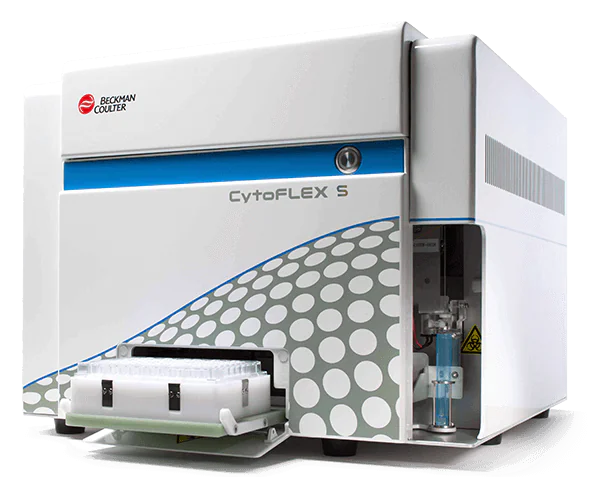
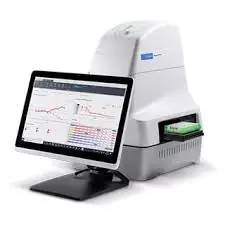
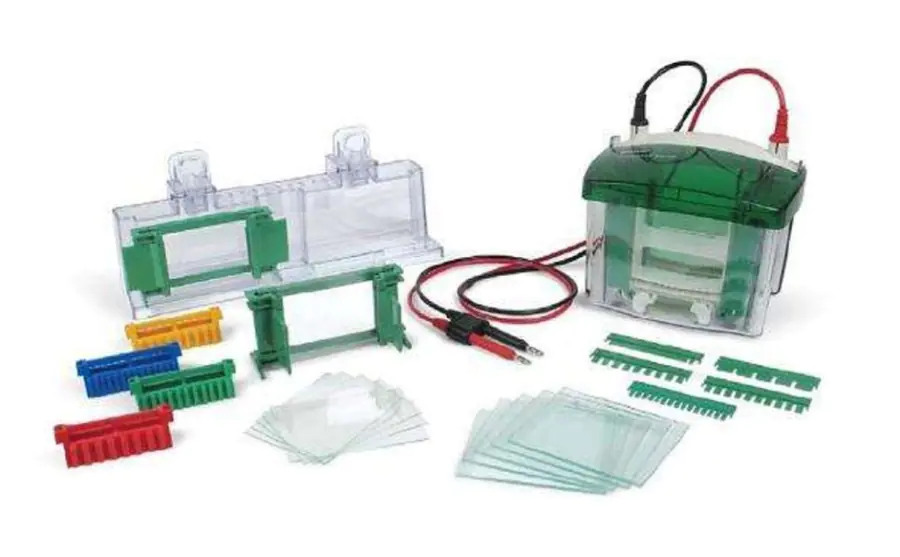
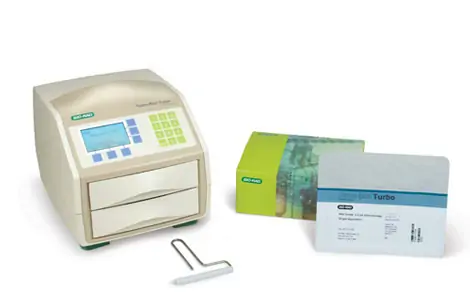
Система для быстрого переноса белков из геля на мембрану. Используется при проведении вестерн-блоттинга.

Топ-100
Области наук
|
2
4
6
8
10
12
14
16
18
20
|
|
|
General Medicine
|
General Medicine, 19, 41.3%
General Medicine
19 публикаций, 41.3%
|
|
General Biochemistry, Genetics and Molecular Biology
|
General Biochemistry, Genetics and Molecular Biology, 10, 21.74%
General Biochemistry, Genetics and Molecular Biology
10 публикаций, 21.74%
|
|
Immunology
|
Immunology, 9, 19.57%
Immunology
9 публикаций, 19.57%
|
|
General Immunology and Microbiology
|
General Immunology and Microbiology, 8, 17.39%
General Immunology and Microbiology
8 публикаций, 17.39%
|
|
General Agricultural and Biological Sciences
|
General Agricultural and Biological Sciences, 7, 15.22%
General Agricultural and Biological Sciences
7 публикаций, 15.22%
|
|
Infectious Diseases
|
Infectious Diseases, 5, 10.87%
Infectious Diseases
5 публикаций, 10.87%
|
|
Immunology and Allergy
|
Immunology and Allergy, 4, 8.7%
Immunology and Allergy
4 публикации, 8.7%
|
|
Biochemistry
|
Biochemistry, 3, 6.52%
Biochemistry
3 публикации, 6.52%
|
|
Cell Biology
|
Cell Biology, 3, 6.52%
Cell Biology
3 публикации, 6.52%
|
|
Biophysics
|
Biophysics, 3, 6.52%
Biophysics
3 публикации, 6.52%
|
|
Molecular Medicine
|
Molecular Medicine, 3, 6.52%
Molecular Medicine
3 публикации, 6.52%
|
|
Public Health, Environmental and Occupational Health
|
Public Health, Environmental and Occupational Health, 3, 6.52%
Public Health, Environmental and Occupational Health
3 публикации, 6.52%
|
|
General Chemistry
|
General Chemistry, 2, 4.35%
General Chemistry
2 публикации, 4.35%
|
|
Medicine (miscellaneous)
|
Medicine (miscellaneous), 2, 4.35%
Medicine (miscellaneous)
2 публикации, 4.35%
|
|
Pharmaceutical Science
|
Pharmaceutical Science, 2, 4.35%
Pharmaceutical Science
2 публикации, 4.35%
|
|
Applied Microbiology and Biotechnology
|
Applied Microbiology and Biotechnology, 2, 4.35%
Applied Microbiology and Biotechnology
2 публикации, 4.35%
|
|
Bioengineering
|
Bioengineering, 2, 4.35%
Bioengineering
2 публикации, 4.35%
|
|
Biomedical Engineering
|
Biomedical Engineering, 2, 4.35%
Biomedical Engineering
2 публикации, 4.35%
|
|
Pharmacology (medical)
|
Pharmacology (medical), 1, 2.17%
Pharmacology (medical)
1 публикация, 2.17%
|
|
Endocrinology, Diabetes and Metabolism
|
Endocrinology, Diabetes and Metabolism, 1, 2.17%
Endocrinology, Diabetes and Metabolism
1 публикация, 2.17%
|
|
Geriatrics and Gerontology
|
Geriatrics and Gerontology, 1, 2.17%
Geriatrics and Gerontology
1 публикация, 2.17%
|
|
Health Policy
|
Health Policy, 1, 2.17%
Health Policy
1 публикация, 2.17%
|
|
Biochemistry, Genetics and Molecular Biology (miscellaneous)
|
Biochemistry, Genetics and Molecular Biology (miscellaneous), 1, 2.17%
Biochemistry, Genetics and Molecular Biology (miscellaneous)
1 публикация, 2.17%
|
|
History
|
History, 1, 2.17%
History
1 публикация, 2.17%
|
|
Family Practice
|
Family Practice, 1, 2.17%
Family Practice
1 публикация, 2.17%
|
|
2
4
6
8
10
12
14
16
18
20
|
Журналы
|
1
2
3
4
5
6
7
|
|
|
Doklady Biological Sciences
7 публикаций, 15.22%
|
|
|
Russian Journal of Immunology
7 публикаций, 15.22%
|
|
|
HIV Infection and Immunosuppressive Disorders
3 публикации, 6.52%
|
|
|
Cell and Tissue Biology
3 публикации, 6.52%
|
|
|
Medical Immunology (Russia)
3 публикации, 6.52%
|
|
|
Journal of Clinical Investigation
2 публикации, 4.35%
|
|
|
Doklady Biochemistry and Biophysics
2 публикации, 4.35%
|
|
|
Journal of Nanobiotechnology
2 публикации, 4.35%
|
|
|
Acta Biomedica Scientifica (East Siberian Biomedical Journal)
2 публикации, 4.35%
|
|
|
Biochemistry (Moscow)
1 публикация, 2.17%
|
|
|
Indian Journal of Medical Research
1 публикация, 2.17%
|
|
|
Bulletin of Experimental Biology and Medicine
1 публикация, 2.17%
|
|
|
Tsitologiya
1 публикация, 2.17%
|
|
|
Medical Hypotheses
1 публикация, 2.17%
|
|
|
Russian Journal of Infection and Immunity
1 публикация, 2.17%
|
|
|
AIDS
1 публикация, 2.17%
|
|
|
Bulletin of Siberian Medicine
1 публикация, 2.17%
|
|
|
Terapevticheskii Arkhiv
1 публикация, 2.17%
|
|
|
Lecture Notes in Networks and Systems
1 публикация, 2.17%
|
|
|
AIP Conference Proceedings
1 публикация, 2.17%
|
|
|
HIV Medicine
1 публикация, 2.17%
|
|
|
Perm Medical Journal
1 публикация, 2.17%
|
|
|
1
2
3
4
5
6
7
|













Цитирующие журналы



















Цитируемые журналы











Издатели
|
2
4
6
8
10
12
14
|
|
|
Pleiades Publishing
13 публикаций, 28.26%
|
|
|
Russian Society of Immunology
7 публикаций, 15.22%
|
|
|
Springer Nature
4 публикации, 8.7%
|
|
|
Baltic Medical Education Center
3 публикации, 6.52%
|
|
|
SPb RAACI
3 публикации, 6.52%
|
|
|
American Society for Clinical Investigation
2 публикации, 4.35%
|
|
|
FSPSI SCFHHRP
2 публикации, 4.35%
|
|
|
Wiley
1 публикация, 2.17%
|
|
|
Elsevier
1 публикация, 2.17%
|
|
|
Ovid Technologies (Wolters Kluwer Health)
1 публикация, 2.17%
|
|
|
AIP Publishing
1 публикация, 2.17%
|
|
|
Eco-Vector LLC
1 публикация, 2.17%
|
|
|
Saint Petersburg Pasteur Institute
1 публикация, 2.17%
|
|
|
Siberian State Medical University
1 публикация, 2.17%
|
|
|
Consilium Medicum
1 публикация, 2.17%
|
|
|
The Russian Academy of Sciences
1 публикация, 2.17%
|
|
|
Scientific Scholar
1 публикация, 2.17%
|
|
|
2
4
6
8
10
12
14
|
Организации из публикаций
|
5
10
15
20
25
30
|
|
|
Институт экологии и генетики микроорганизмов УрО РАН
28 публикаций, 60.87%
|
|
|
Пермский федеральный исследовательский центр УрО РАН
17 публикаций, 36.96%
|
|
|
Организация не определена
|
Организация не определена, 12, 26.09%
Организация не определена
12 публикаций, 26.09%
|
|
Пермский государственный национальный исследовательский университет
12 публикаций, 26.09%
|
|
|
Институт иммунологии и физиологии УрО РАН
10 публикаций, 21.74%
|
|
|
Кейс-Вестерн-Резерв университет
5 публикаций, 10.87%
|
|
|
Национальный институт детского здоровья и развития человека имени Юнис Кеннеди Шрайвер
3 публикации, 6.52%
|
|
|
Уральский федеральный университет имени первого Президента России Б.Н. Ельцина
2 публикации, 4.35%
|
|
|
Оренбургский государственный университет
2 публикации, 4.35%
|
|
|
Пермский государственный медицинский университет имени академика Е. А. Вагнера
2 публикации, 4.35%
|
|
|
Федеральный исследовательский центр проблем химической физики и медицинской химии РАН
2 публикации, 4.35%
|
|
|
Институт клеточного и внутриклеточного симбиоза УрО РАН
2 публикации, 4.35%
|
|
|
Калифорнийский университет в Сан-Франциско
1 публикация, 2.17%
|
|
|
Национальный институт аллергии и инфекционных заболеваний
1 публикация, 2.17%
|
|
|
Университет Эмори
1 публикация, 2.17%
|
|
|
Университет Манитобы
1 публикация, 2.17%
|
|
|
Кливлендская клиника
1 публикация, 2.17%
|
|
|
5
10
15
20
25
30
|
















Страны из публикаций
|
5
10
15
20
25
30
35
|
|
|
Россия
|
Россия, 34, 73.91%
Россия
34 публикации, 73.91%
|
|
Страна не определена
|
Страна не определена, 15, 32.61%
Страна не определена
15 публикаций, 32.61%
|
|
США
|
США, 5, 10.87%
США
5 публикаций, 10.87%
|
|
Канада
|
Канада, 1, 2.17%
Канада
1 публикация, 2.17%
|
|
5
10
15
20
25
30
35
|
Цитирующие организации


















































































Цитирующие страны
- Мы не учитываем публикации, у которых нет DOI.
- Статистика пересчитывается раз в сутки.
Направления исследований
Иммунометаболизм
Функциональные исследования Т-лимфоцитов
Дискордантный иммунологический ответ (иммунологический неответ) на терапию ВИЧ-инфекции

