
Лаборатория новых неорганических соединений





Публикаций
72
Цитирований
509
Индекс Хирша
12
Необходимо авторизоваться.
В лаборатории ведутся работы по синтезу и изучению свойств (каталитических, сорбционных, окислительно-деструктивных и других) новых неорганических соединений, в частности, слоистых двойных гидроксидов.
- Дифференциальная сканирующая калориметрия (ДСК)
- ИК-Фурье спектроскопия
- Неорганический синтез
- Просвечивающая электронная микроскопия (ПЭМ)
- Рентгенофазовый анализ
- Сканирующая зондовая микроскопия
- Сканирующая электронная микроскопия (СЭМ)
- Спектроскопия КР (Рамановская)
- Спектроскопия поглощения
- Термогравиметрия (ТГ)
- Элементный анализ
- Сорбционные исследования

Ольга Кокошкина
Старший преподаватель
Дмитрий Смальченко
Старший преподаватель
Сергей Головин
Старший преподаватель
Виктория Даминдарова
Ассистент
Всего публикаций
61
Всего цитирований
252
Цитирований на публикацию
4.13
Среднее число публикаций в год
2.77
Годы публикаций
2005-2026 (22 года)
h-index
8
i10-index
6
m-index
0.36
o-index
21
g-index
13
w-index
1
Описание метрик
h-index
Учёный имеет индекс h, если h из его N статей цитируются как минимум h раз каждая, в то время как оставшиеся (N - h) статей цитируются не более чем h раз каждая.
i10-index
Число статей автора, получивших не менее 10 ссылок каждая.
m-index
m-индекс ученого численно равен отношению его h-индекса к количеству лет, прошедших с момента первой публикации.
o-index
Среднее геометрическое h-индекса и числа цитирований наиболее цитируемой статьи ученого.
g-index
Для данного множества статей, отсортированного в порядке убывания количества цитирований, которые получили эти статьи, g-индекс это наибольшее число, такое что g самых цитируемых статей получили (суммарно) не менее g2 цитирований.
w-index
Если w статей ученого имеют не менее 10w цитирований каждая и другие статьи меньше, чем 10(w+1) цитирований, то w-индекс исследователя равен w.
Топ-100
Области наук
|
5
10
15
20
25
|
|
|
General Chemistry
|
General Chemistry, 22, 36.07%
General Chemistry
22 публикации, 36.07%
|
|
General Chemical Engineering
|
General Chemical Engineering, 16, 26.23%
General Chemical Engineering
16 публикаций, 26.23%
|
|
Physical and Theoretical Chemistry
|
Physical and Theoretical Chemistry, 11, 18.03%
Physical and Theoretical Chemistry
11 публикаций, 18.03%
|
|
Geochemistry and Petrology
|
Geochemistry and Petrology, 8, 13.11%
Geochemistry and Petrology
8 публикаций, 13.11%
|
|
Energy Engineering and Power Technology
|
Energy Engineering and Power Technology, 7, 11.48%
Energy Engineering and Power Technology
7 публикаций, 11.48%
|
|
Fuel Technology
|
Fuel Technology, 7, 11.48%
Fuel Technology
7 публикаций, 11.48%
|
|
Inorganic Chemistry
|
Inorganic Chemistry, 6, 9.84%
Inorganic Chemistry
6 публикаций, 9.84%
|
|
Polymers and Plastics
|
Polymers and Plastics, 4, 6.56%
Polymers and Plastics
4 публикации, 6.56%
|
|
Materials Chemistry
|
Materials Chemistry, 3, 4.92%
Materials Chemistry
3 публикации, 4.92%
|
|
Analytical Chemistry
|
Analytical Chemistry, 3, 4.92%
Analytical Chemistry
3 публикации, 4.92%
|
|
Colloid and Surface Chemistry
|
Colloid and Surface Chemistry, 3, 4.92%
Colloid and Surface Chemistry
3 публикации, 4.92%
|
|
Condensed Matter Physics
|
Condensed Matter Physics, 3, 4.92%
Condensed Matter Physics
3 публикации, 4.92%
|
|
General Medicine
|
General Medicine, 2, 3.28%
General Medicine
2 публикации, 3.28%
|
|
General Materials Science
|
General Materials Science, 2, 3.28%
General Materials Science
2 публикации, 3.28%
|
|
Materials Science (miscellaneous)
|
Materials Science (miscellaneous), 2, 3.28%
Materials Science (miscellaneous)
2 публикации, 3.28%
|
|
Metals and Alloys
|
Metals and Alloys, 1, 1.64%
Metals and Alloys
1 публикация, 1.64%
|
|
Ceramics and Composites
|
Ceramics and Composites, 1, 1.64%
Ceramics and Composites
1 публикация, 1.64%
|
|
Electronic, Optical and Magnetic Materials
|
Electronic, Optical and Magnetic Materials, 1, 1.64%
Electronic, Optical and Magnetic Materials
1 публикация, 1.64%
|
|
Catalysis
|
Catalysis, 1, 1.64%
Catalysis
1 публикация, 1.64%
|
|
Biochemistry
|
Biochemistry, 1, 1.64%
Biochemistry
1 публикация, 1.64%
|
|
Computer Science Applications
|
Computer Science Applications, 1, 1.64%
Computer Science Applications
1 публикация, 1.64%
|
|
Industrial and Manufacturing Engineering
|
Industrial and Manufacturing Engineering, 1, 1.64%
Industrial and Manufacturing Engineering
1 публикация, 1.64%
|
|
General Engineering
|
General Engineering, 1, 1.64%
General Engineering
1 публикация, 1.64%
|
|
Environmental Chemistry
|
Environmental Chemistry, 1, 1.64%
Environmental Chemistry
1 публикация, 1.64%
|
|
Environmental Engineering
|
Environmental Engineering, 1, 1.64%
Environmental Engineering
1 публикация, 1.64%
|
|
Health, Toxicology and Mutagenesis
|
Health, Toxicology and Mutagenesis, 1, 1.64%
Health, Toxicology and Mutagenesis
1 публикация, 1.64%
|
|
Public Health, Environmental and Occupational Health
|
Public Health, Environmental and Occupational Health, 1, 1.64%
Public Health, Environmental and Occupational Health
1 публикация, 1.64%
|
|
Pollution
|
Pollution, 1, 1.64%
Pollution
1 публикация, 1.64%
|
|
Modeling and Simulation
|
Modeling and Simulation, 1, 1.64%
Modeling and Simulation
1 публикация, 1.64%
|
|
5
10
15
20
25
|
Журналы














Цитирующие журналы







Цитируемые журналы





Издатели
|
5
10
15
20
25
|
|
|
Pleiades Publishing
25 публикаций, 40.98%
|
|
|
Elsevier
5 публикаций, 8.2%
|
|
|
MDPI
4 публикации, 6.56%
|
|
|
Voronezh State University
4 публикации, 6.56%
|
|
|
Springer Nature
3 публикации, 4.92%
|
|
|
Innovation Publishing House Butlerov Heritage Ltd
3 публикации, 4.92%
|
|
|
Ivanovo State University of Chemistry and Technology
2 публикации, 3.28%
|
|
|
Kola Science Centre
2 публикации, 3.28%
|
|
|
A.V.Topchiev Institute of Petrochemical Synthesis RAS
2 публикации, 3.28%
|
|
|
De Gruyter Brill
1 публикация, 1.64%
|
|
|
Wiley
1 публикация, 1.64%
|
|
|
EDP Sciences
1 публикация, 1.64%
|
|
|
Royal Society of Chemistry (RSC)
1 публикация, 1.64%
|
|
|
Frontiers Media S.A.
1 публикация, 1.64%
|
|
|
Saratov State University
1 публикация, 1.64%
|
|
|
Beilstein-Institut
1 публикация, 1.64%
|
|
|
Fund Science and Culture Support Centre
1 публикация, 1.64%
|
|
|
Indian Society for Education and Environment
1 публикация, 1.64%
|
|
|
Academia.edu Journals
1 публикация, 1.64%
|
|
|
5
10
15
20
25
|
Организации из публикаций
|
5
10
15
20
25
30
35
40
45
50
|
|
|
Белгородский государственный национальный исследовательский университет
48 публикаций, 78.69%
|
|
|
Организация не определена
|
Организация не определена, 13, 21.31%
Организация не определена
13 публикаций, 21.31%
|
|
Национальный исследовательский центр "Курчатовский институт"
4 публикации, 6.56%
|
|
|
Ольденбургский университет имени Карла фон Осецкого
3 публикации, 4.92%
|
|
|
Наньчанский университет
2 публикации, 3.28%
|
|
|
Московский государственный университет имени М.В. Ломоносова
1 публикация, 1.64%
|
|
|
Институт общей и неорганической химии им. Н.С. Курнакова РАН
1 публикация, 1.64%
|
|
|
Казахский национальный университет имени аль-Фараби
1 публикация, 1.64%
|
|
|
Севастопольский государственный университет
1 публикация, 1.64%
|
|
|
Кучанский технологический университет
1 публикация, 1.64%
|
|
|
Промышленный университет Хошимина
1 публикация, 1.64%
|
|
|
Вьетнамская академия науки и технологий
1 публикация, 1.64%
|
|
|
Институт тропических технологий
1 публикация, 1.64%
|
|
|
5
10
15
20
25
30
35
40
45
50
|







Страны из публикаций
|
10
20
30
40
50
|
|
|
Россия
|
Россия, 50, 81.97%
Россия
50 публикаций, 81.97%
|
|
Страна не определена
|
Страна не определена, 11, 18.03%
Страна не определена
11 публикаций, 18.03%
|
|
Германия
|
Германия, 3, 4.92%
Германия
3 публикации, 4.92%
|
|
Китай
|
Китай, 2, 3.28%
Китай
2 публикации, 3.28%
|
|
Вьетнам
|
Вьетнам, 2, 3.28%
Вьетнам
2 публикации, 3.28%
|
|
Казахстан
|
Казахстан, 1, 1.64%
Казахстан
1 публикация, 1.64%
|
|
Иран
|
Иран, 1, 1.64%
Иран
1 публикация, 1.64%
|
|
10
20
30
40
50
|
Цитирующие организации













































































Цитирующие страны
- Мы не учитываем публикации, у которых нет DOI.
- Статистика пересчитывается раз в сутки.
Направления исследований
Синтез и свойства слоистых двойных гидроксидов
+
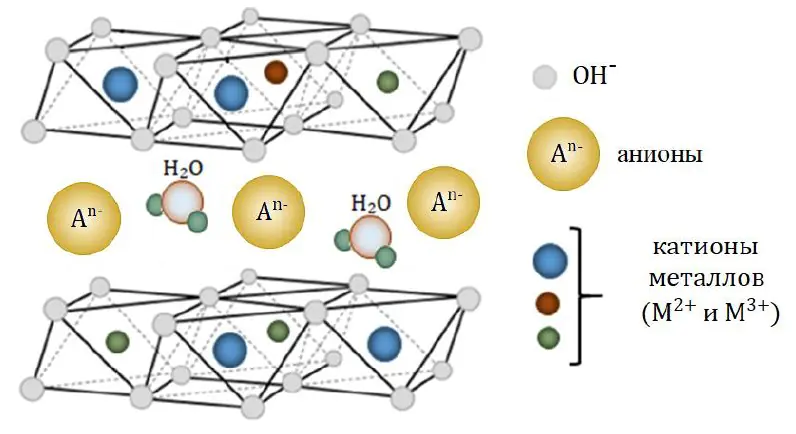
Получение соединений с заданными свойствами является важной задачей неорганического синтеза. В этом отношении большим потенциалом обладают слоистые двойные гидроксиды (СДГ) – синтетические аналоги минерала гидроталькита [Mg6Al2(OH)16](CO3)·4H2O. Их структура представляет собой чередование положительно заряженных бруситоподобных октаэдрических металлгидроксидных слоев с пустотами, заполненными анионами и молекулами воды. Анионы компенсируют избыточный положительный заряд металлгидроксидных слоев.
Одной из главных отличительных черт СДГ является композиционная гибкость, позволяющая получать вещества различного катионного и анионного состава, на основе которых в дальнейшем возможно создание качественно новых материалов. Вследствие наличия межслоевых пространств СДГ могут включать в себя различные молекулы, образуя супрамолекулярные интеркаляционные соединения. При прокаливании СДГ образуется смесь оксидов, которая имеет более высокую дисперсность, чем смеси, получаемые механическим путем. При помещении смеси оксидов в водный раствор соли изначальная слоистая структура восстанавливается. Данная особенность называется «эффектом памяти» и является уникальной для прокаленных форм СДГ.
Получение сорбентов (в том числе из нетрадиционного сырья)
+
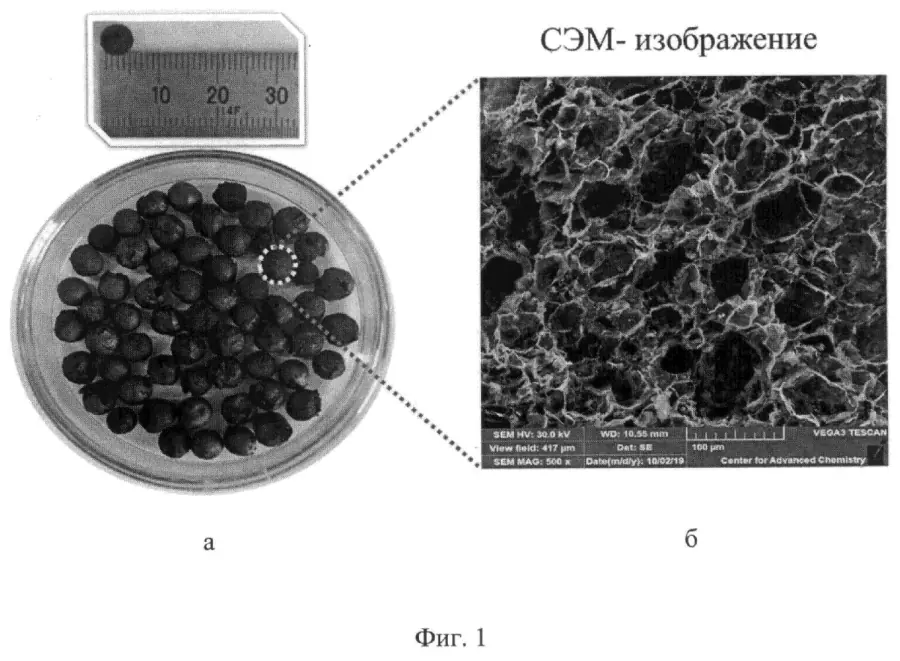
Сорбенты — это вещества, которые способны поглощать (сорбировать) другие вещества из окружающей среды, такие как газы, жидкости или растворённые соединения.
Сорбенты находят применение в экологии, промышленности, медицине и научных исследованиях. Использование нетрадиционного сырья (например, растительных отходов) для их получения позволяет также решать проблему повторной утилизации отходов.
Окислительная деструкция экополлютантов (красителей, ПАВ, фармацевтических препаратов)
+
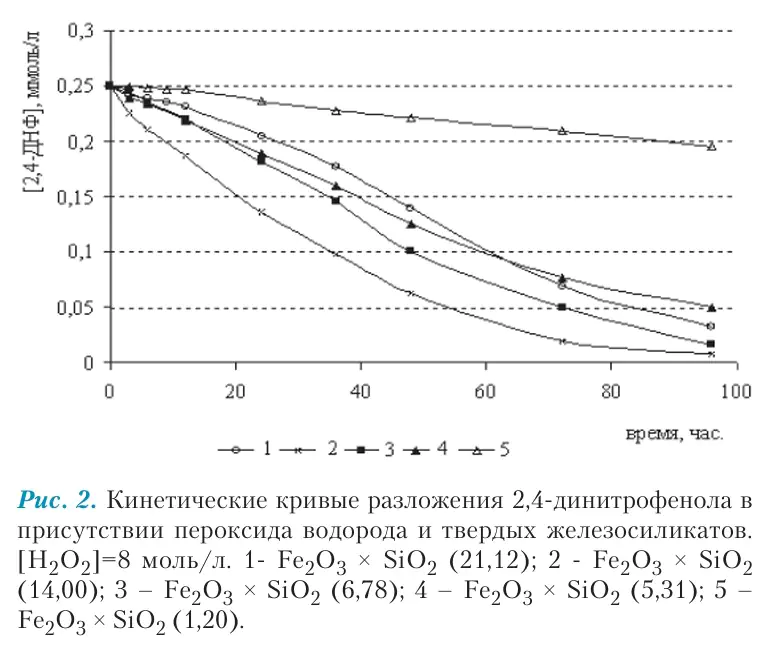
Окислительная деструкция экополлютантов применяется для разложения устойчивых загрязнителей, которые традиционными методами очистки не всегда удаётся полностью удалить. Этот процесс использует реактивные формы кислорода, обладающие высокой окислительной способностью, для разрыва химических связей в сложных органических молекулах. В результате, загрязнители превращаются в более простые, безопасные и легко утилизируемые соединения (например, углекислый газ и воду), что снижает их токсичность и предотвращает накопление вредных веществ в окружающей среде.
Фотокаталитическая деструкция загрязнителей
+
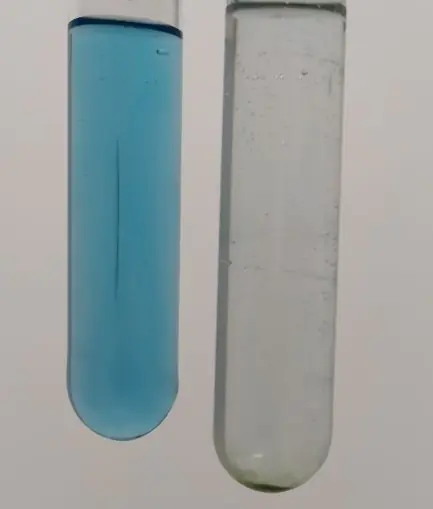
Фотокаталитическая деструкция загрязнителей используется для разложения под действием света. Суть процесса заключается в активации фотокатализатора (синтезом которых мы занимаемся) под воздействием ультрафиолетового или видимого света, разрушающего загрязнители и превращающего их в безвредные продукты разложения.
Термокаталитическая конверсия полимеров
+
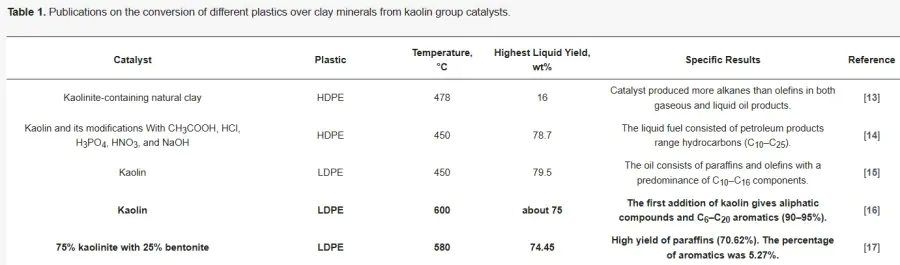
Переработка полимерных отходов является большой проблемой в контексте растущего использования пластика. Учитывая невозобновляемость ископаемого топлива, задача переработки пластиковых отходов в жидкое топливо представляется перспективной. Термокаталитическая конверсия является одним из методов, позволяющих получать жидкие продукты требуемого углеводородного диапазона. Среди возможных экологически чистых, дешевых и распространенных катализаторов можно выделить глины и глинистые минералы. Умеренная кислотность и наличие как Льюисовских, так и Бренстедовских кислотных центров на поверхности глин благоприятствуют более тяжелым углеводородам в жидких продуктах реакций, происходящих в их порах.
Публикации и патенты
Найдено
Ничего не найдено, попробуйте изменить настройки фильтра.

Сергей Николаевич Головин, Максим Николаевич Япрынцев, Ольга Евгеньевна Лебедева
RU2799181C1,
2023
Ольга Евгеньевна Лебедева, Анна Алексеевна Соловьева, Маргарита Игоревна Кононова
RU2782397C1,
2022
Ван Тхуан Ле, Ми Уиен Дао, Александр Семёнович Сироткин, Ольга Евгеньевна Лебедева, Тхи Чинь Фам
RU2747918C1,
2021
Тхань Минь Фам, Ольга Евгеньевна Лебедева, Ван Тхуан Ле
RU2661210C1,
2018
Ирина Геннадьевна Рыльцова, Ольга Евгеньевна Лебедева, Анастасия Константиновна Бабанина
RU2611526C1,
2017
Ольга Александровна Воронцова (RU), Ольга Александровна Воронцова, Ольга Евгеньевна Лебедева (RU), Ольга Евгеньевна Лебедева
RU2361814C1,
2009
Ольга Александровна Воронцова (RU), Ольга Александровна Воронцова, Ольга Евгеньевна Лебедева (RU), Ольга Евгеньевна Лебедева
RU2330812C1,
2008
О.Е. Лебедева (RU), О.Е. Лебедева, В.А. Белецка (RU), В.А. Белецкая, Л.В. Фурда (RU), Л.В. Фурда
RU2262520C1,
2005
Ольга Евгеньевна Лебедева, Нурлан Сарсенбинович Исабеков, Клара Азатовна Искакова, Алма Гайсановна Сармурзина, Анатолий Николаевич Подгорный, Виктор Федорович Левченко, Ирина Семеновна Толчеева
SU1761253A1,
1992
2024
—
2025
| Лебедева Ольга Евгеньевна
2014
—
2016
| Евстигнеев Максим Павлович
Партнёры
ВладМиВа




ООО "АльтЭнерго"


Адрес лаборатории
Белгород, улица Победы, 85, корп. 13, 6-26; 6-14
Необходимо авторизоваться.