Лаборатория технологий молекулярной диагностики






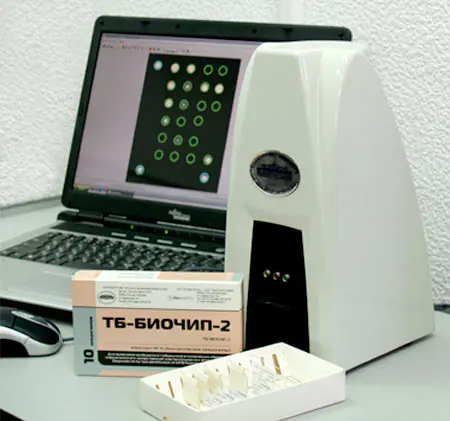
В Лаборатории технологий молекулярной диагностики фокусируются на изучении молекулярных механизмов лекарственной устойчивости микроорганизмов и вирусов – возбудителей разных инфекционных заболеваний. Поиск биомаркеров, ассоциированных с развитием аутоиммунных, нейродегенеративных, онкологических патологий, и разработка эффективных методов их обнаружения. Разработка и регистрация как медицинских изделий для диагностики in vitro наборов реагентов для идентификации ДНК и белковых маркеров социально-значимых заболеваний. Установлены механизмы формирования устойчивости возбудителя туберкулеза к новейшим противотуберкулезным препаратам, таким как бедаквилин и линезолид, у пациентов с лекарственно-устойчивыми формами, принимавших терапию этими препаратами. Разработан и внедрен в медицинскую практику не имеющий мировых аналогов набор реагентов «ТБ-ТЕСТ», выявляющий возбудителя туберкулеза, одновременно определяющий наиболее распространенные семейства возбудителя и анализирующий генетические маркеры устойчивости ко всем основным препаратам, используемым сегодня для лечения туберкулеза. Разработан и регистрируется как медицинское изделие уникальный диагностический тест - Набор реагентов «БИОЧИП-А» для определения генетических маркеров риска развития болезни Альцгеймера. Первая валидация полигенной модели риска развития болезни Альцгеймера в российской популяции показала, что значения IV квартиля полигенного риска и аллель ε4 гена аполипротеина E, определяемые на биочипе, являются достоверными маркерами повышенного риска развития болезни Альцгеймера. Разработан и регистрируется как медицинское изделие Набор реагентов «NG-ТЕСТ» для обнаружения генетических детерминант устойчивости N. gonorrhoeae к цефтриаксону – основному препарату для терапии гонококковой инфекции. Установлены высокоспецифичные сывороточные маркеры – аутоантитела против интерферонов I типа и интерлейкина-22, характеризующие развитие аутоиммунного орфанного заболевания – аутоиммунного полигландулярного синдрома I типа.
- Биоинформатические методы
- Биочиповые технологии
- ПЦР
- ПЦР-РВ
- Микробиологические методы
Топ-100
Области наук
|
1
2
|
|
|
Molecular Biology
|
Molecular Biology, 2, 33.33%
Molecular Biology
2 публикации, 33.33%
|
|
Catalysis
|
Catalysis, 1, 16.67%
Catalysis
1 публикация, 16.67%
|
|
Organic Chemistry
|
Organic Chemistry, 1, 16.67%
Organic Chemistry
1 публикация, 16.67%
|
|
Biochemistry
|
Biochemistry, 1, 16.67%
Biochemistry
1 публикация, 16.67%
|
|
Inorganic Chemistry
|
Inorganic Chemistry, 1, 16.67%
Inorganic Chemistry
1 публикация, 16.67%
|
|
Physical and Theoretical Chemistry
|
Physical and Theoretical Chemistry, 1, 16.67%
Physical and Theoretical Chemistry
1 публикация, 16.67%
|
|
Computer Science Applications
|
Computer Science Applications, 1, 16.67%
Computer Science Applications
1 публикация, 16.67%
|
|
Spectroscopy
|
Spectroscopy, 1, 16.67%
Spectroscopy
1 публикация, 16.67%
|
|
General Medicine
|
General Medicine, 1, 16.67%
General Medicine
1 публикация, 16.67%
|
|
Molecular Medicine
|
Molecular Medicine, 1, 16.67%
Molecular Medicine
1 публикация, 16.67%
|
|
Biotechnology
|
Biotechnology, 1, 16.67%
Biotechnology
1 публикация, 16.67%
|
|
1
2
|
Журналы
|
1
2
3
|
|
|
International Journal of Molecular Sciences
3 публикации, 50%
|
|
|
Molecular Biology
1 публикация, 16.67%
|
|
|
Acta Naturae
1 публикация, 16.67%
|
|
|
Diagnostics
1 публикация, 16.67%
|
|
|
1
2
3
|


Цитирующие журналы
|
1
2
3
4
5
6
7
8
9
|
|
|
International Journal of Molecular Sciences
9 цитирований, 32.14%
|
|
|
Polymers
2 цитирования, 7.14%
|
|
|
Diagnostics
2 цитирования, 7.14%
|
|
|
Journal of the Endocrine Society
1 цитирование, 3.57%
|
|
|
Viruses
1 цитирование, 3.57%
|
|
|
Nutrients
1 цитирование, 3.57%
|
|
|
Journal of Clinical Tuberculosis and Other Mycobacterial Diseases
1 цитирование, 3.57%
|
|
|
Biosensors
1 цитирование, 3.57%
|
|
|
Alzheimer's Research and Therapy
1 цитирование, 3.57%
|
|
|
Russian Journal of Infection and Immunity
1 цитирование, 3.57%
|
|
|
International Journal of Dermatology
1 цитирование, 3.57%
|
|
|
Sensors
1 цитирование, 3.57%
|
|
|
European Journal of Neurology
1 цитирование, 3.57%
|
|
|
Pathogens
1 цитирование, 3.57%
|
|
|
Frontiers in Cellular and Infection Microbiology
1 цитирование, 3.57%
|
|
|
Journal of Antimicrobial Chemotherapy
1 цитирование, 3.57%
|
|
|
Biophysics (Russian Federation)
1 цитирование, 3.57%
|
|
|
International Journal of Dermatology and Venereology
1 цитирование, 3.57%
|
|
|
1
2
3
4
5
6
7
8
9
|







Цитируемые журналы




















Издатели
|
1
2
3
4
|
|
|
MDPI
4 публикации, 66.67%
|
|
|
Pleiades Publishing
1 публикация, 16.67%
|
|
|
Acta Naturae Ltd
1 публикация, 16.67%
|
|
|
1
2
3
4
|
Организации из публикаций
|
1
2
3
4
5
|
|
|
Институт молекулярной биологии им. В.А. Энгельгардта РАН
5 публикаций, 83.33%
|
|
|
Организация не определена
|
Организация не определена, 1, 16.67%
Организация не определена
1 публикация, 16.67%
|
|
Московский государственный университет имени М.В. Ломоносова
1 публикация, 16.67%
|
|
|
Нижегородский государственный технический университет им. Р. Е. Алексеева
1 публикация, 16.67%
|
|
|
Самарский государственный медицинский университет
1 публикация, 16.67%
|
|
|
Сургутский государственный университет
1 публикация, 16.67%
|
|
|
НМИЦ эндокринологии Минздрава России
1 публикация, 16.67%
|
|
|
НМИЦ психиатрии и наркологии имени В.П. Сербского Минздрава России
1 публикация, 16.67%
|
|
|
Санкт-Петербургский научно-исследовательский институт фтизиопульмонологии Минздрава РФ
1 публикация, 16.67%
|
|
|
Российский биотехнологический университет
1 публикация, 16.67%
|
|
|
1
2
3
4
5
|









Страны из публикаций
|
1
2
3
4
5
|
|
|
Россия
|
Россия, 5, 83.33%
Россия
5 публикаций, 83.33%
|
|
Страна не определена
|
Страна не определена, 1, 16.67%
Страна не определена
1 публикация, 16.67%
|
|
1
2
3
4
5
|
Цитирующие организации






























Цитирующие страны
|
5
10
15
20
25
|
|
|
Россия
|
Россия, 22, 78.57%
Россия
22 цитирования, 78.57%
|
|
США
|
США, 3, 10.71%
США
3 цитирования, 10.71%
|
|
Китай
|
Китай, 2, 7.14%
Китай
2 цитирования, 7.14%
|
|
Швеция
|
Швеция, 2, 7.14%
Швеция
2 цитирования, 7.14%
|
|
Страна не определена
|
Страна не определена, 1, 3.57%
Страна не определена
1 цитирование, 3.57%
|
|
Республика Корея
|
Республика Корея, 1, 3.57%
Республика Корея
1 цитирование, 3.57%
|
|
Сербия
|
Сербия, 1, 3.57%
Сербия
1 цитирование, 3.57%
|
|
5
10
15
20
25
|
- Мы не учитываем публикации, у которых нет DOI.
- Статистика пересчитывается раз в сутки.
Направления исследований
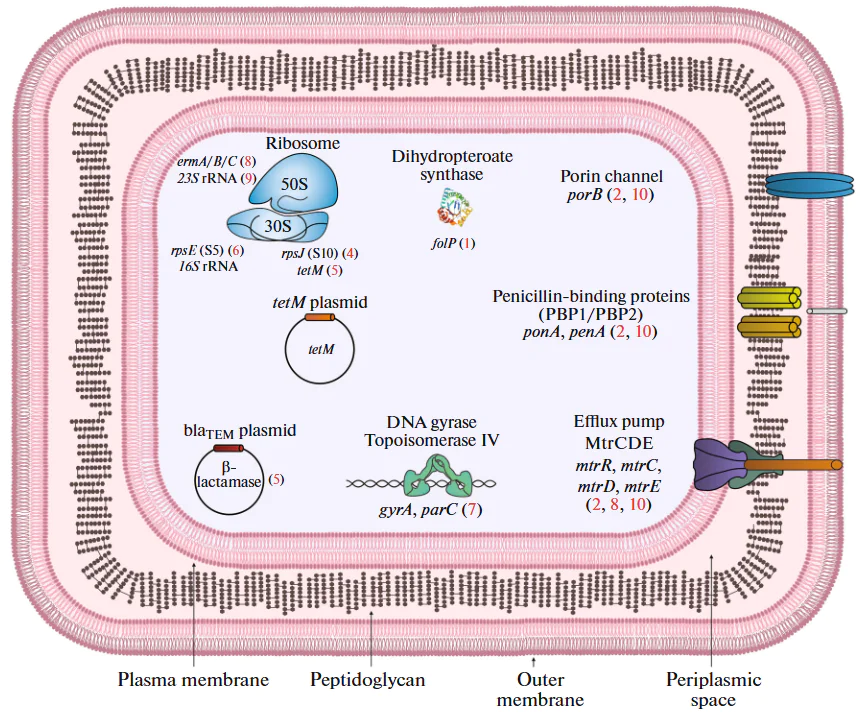
Изучение молекулярных механизмов устойчивости и толерантности микроорганизмов к противомикробным препаратам.
Разработка и регистрация как медицинских изделий для диагностики in vitro наборов реагентов для идентификации ДНК и белковых маркеров социально-значимых заболеваний.