Лаборатория молекулярной фармакологии



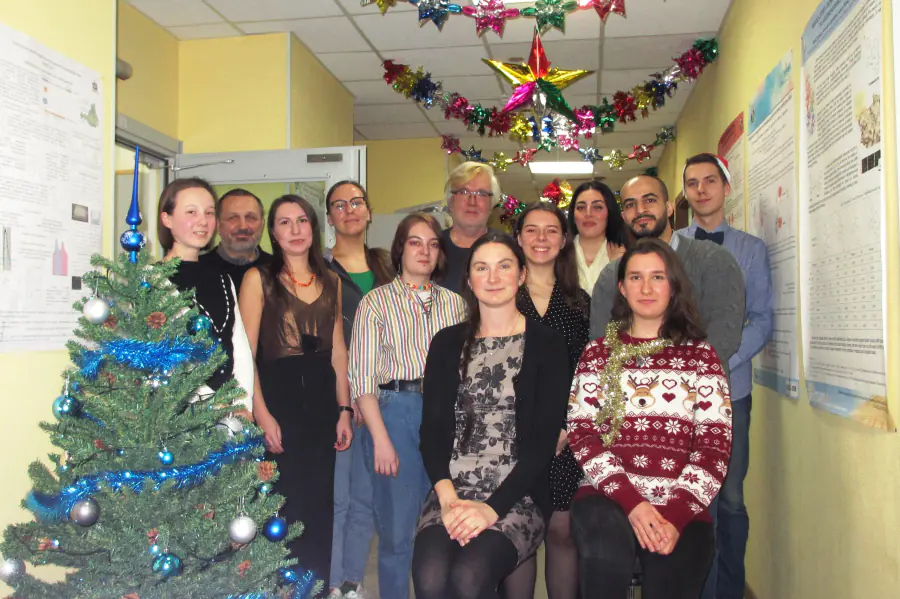
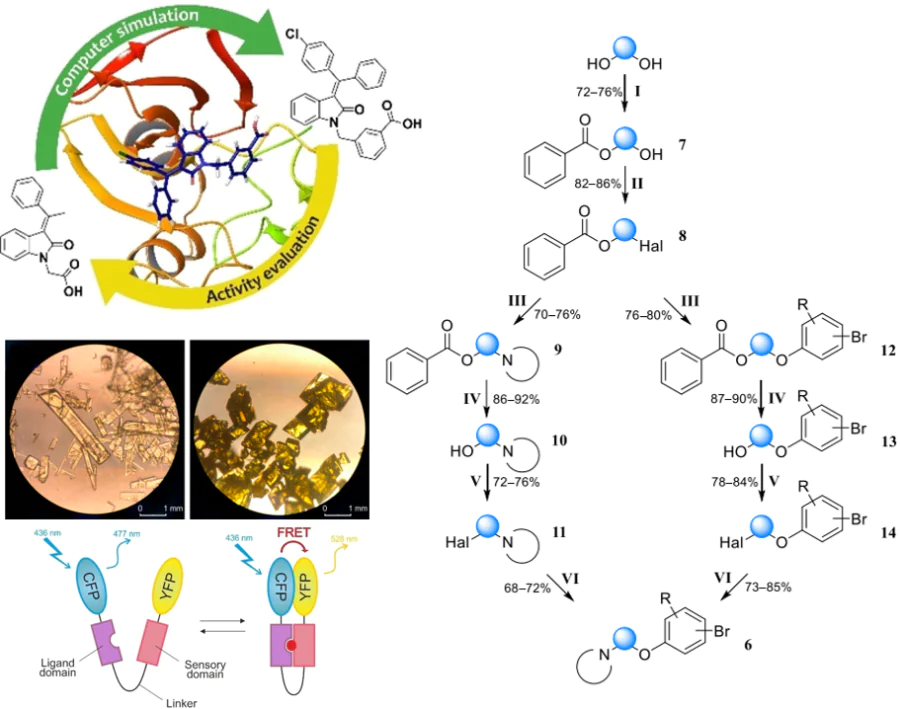
Занимаемся разработкой таргетных лекарственных агентов с 2012 года. Используем комплексный подход, объединив специалистов в областях молекулярного моделирования, органического синтеза и молекулярной биологии в рамках одной лаборатории. Молекулярный докинг, метадинамика, молекулярная динамика – все для исследования взаимодействий молекул с белками и нуклеиновыми кислотами. Тонкий органический синтез: работаем с различными классами низкомолекулярных соединений, в том числе синтезируем PROTAС. Используем ВЭЖХ-МС, ЯМР, приборную флэш-хроматографию. Молекулярная биология: работаем с бактериями и опухолевыми человеческими линиями, осуществляя полный цикл тестирования веществ – от МТТ до высокоинформативного скрининга, работаем на геномном и протеомном уровнях, конструируем плазмиды и клеточные линии. Основные исследуемые процессы – программируемая клеточная гибель, метаболический синдром, механизмы химиорезистентности. Реализуем проекты РНФ, публикуемся в Q1.
- 3D-клеточные культуры (3D cell cultures)
- Вестерн-блот
- Высокоэффективная жидкостная хроматография с масс-спектрометрией (ВЭЖХ-МС)
- Газовая хроматография
- Колоночная хроматография
- Метадинамика
- Молекулярная динамика (Molecular dynamics)
- Молекулярный докинг
- Наработка и выделение рекомбинантных белков из E.coli (Development and isolation of recombinant proteins from E.coli)
- Оценка метаболической активности клеток (MTT-test)
- ПЦР в реальном времени, включая дизайн праймеров (Real-time PCR, including design of primers)
- Получение бактериальных векторов с использованием генно-инженерных подходов (Obtaining bacterial vectors using genetically engineered approaches)
- Проточная сортировка клеток
- Проточная цитометрия
- Работа с культурами бактериальных и опухолевых клеток (Working with bacterial and tumor cell cultures)
- Спектрофотометрия
- Тонкий органический синтез
- Тонкослойная хроматография
- Трансфекция
- Трансформация
- ЯМР-спектроскопия
- Оценка механизма действия новых соединений (апоптотический эффект, влияние на клеточный цикл, повреждение ДНК)

Топ-100
Области наук
|
1
2
3
4
5
|
|
|
Organic Chemistry
|
Organic Chemistry, 5, 27.78%
Organic Chemistry
5 публикаций, 27.78%
|
|
Drug Discovery
|
Drug Discovery, 5, 27.78%
Drug Discovery
5 публикаций, 27.78%
|
|
Physical and Theoretical Chemistry
|
Physical and Theoretical Chemistry, 3, 16.67%
Physical and Theoretical Chemistry
3 публикации, 16.67%
|
|
Molecular Medicine
|
Molecular Medicine, 3, 16.67%
Molecular Medicine
3 публикации, 16.67%
|
|
General Chemistry
|
General Chemistry, 2, 11.11%
General Chemistry
2 публикации, 11.11%
|
|
Catalysis
|
Catalysis, 2, 11.11%
Catalysis
2 публикации, 11.11%
|
|
Biochemistry
|
Biochemistry, 2, 11.11%
Biochemistry
2 публикации, 11.11%
|
|
Computer Science Applications
|
Computer Science Applications, 2, 11.11%
Computer Science Applications
2 публикации, 11.11%
|
|
Spectroscopy
|
Spectroscopy, 2, 11.11%
Spectroscopy
2 публикации, 11.11%
|
|
Molecular Biology
|
Molecular Biology, 2, 11.11%
Molecular Biology
2 публикации, 11.11%
|
|
Pharmacology
|
Pharmacology, 2, 11.11%
Pharmacology
2 публикации, 11.11%
|
|
Pharmaceutical Science
|
Pharmaceutical Science, 2, 11.11%
Pharmaceutical Science
2 публикации, 11.11%
|
|
Analytical Chemistry
|
Analytical Chemistry, 2, 11.11%
Analytical Chemistry
2 публикации, 11.11%
|
|
General Biochemistry, Genetics and Molecular Biology
|
General Biochemistry, Genetics and Molecular Biology, 1, 5.56%
General Biochemistry, Genetics and Molecular Biology
1 публикация, 5.56%
|
|
Medicine (miscellaneous)
|
Medicine (miscellaneous), 1, 5.56%
Medicine (miscellaneous)
1 публикация, 5.56%
|
|
Inorganic Chemistry
|
Inorganic Chemistry, 1, 5.56%
Inorganic Chemistry
1 публикация, 5.56%
|
|
General Medicine
|
General Medicine, 1, 5.56%
General Medicine
1 публикация, 5.56%
|
|
Clinical Biochemistry
|
Clinical Biochemistry, 1, 5.56%
Clinical Biochemistry
1 публикация, 5.56%
|
|
General Chemical Engineering
|
General Chemical Engineering, 1, 5.56%
General Chemical Engineering
1 публикация, 5.56%
|
|
Chemistry (miscellaneous)
|
Chemistry (miscellaneous), 1, 5.56%
Chemistry (miscellaneous)
1 публикация, 5.56%
|
|
General Pharmacology, Toxicology and Pharmaceutics
|
General Pharmacology, Toxicology and Pharmaceutics, 1, 5.56%
General Pharmacology, Toxicology and Pharmaceutics
1 публикация, 5.56%
|
|
1
2
3
4
5
|
Журналы
|
1
2
3
|
|
|
Molecules
3 публикации, 16.67%
|
|
|
ACS Omega
2 публикации, 11.11%
|
|
|
ACS Medicinal Chemistry Letters
1 публикация, 5.56%
|
|
|
Pharmaceuticals
1 публикация, 5.56%
|
|
|
ChemMedChem
1 публикация, 5.56%
|
|
|
Journal of Computer-Aided Molecular Design
1 публикация, 5.56%
|
|
|
RSC Advances
1 публикация, 5.56%
|
|
|
Bioorganic and Medicinal Chemistry Letters
1 публикация, 5.56%
|
|
|
Chirality
1 публикация, 5.56%
|
|
|
Russian Journal of General Chemistry
1 публикация, 5.56%
|
|
|
International Journal of Molecular Sciences
1 публикация, 5.56%
|
|
|
Archives of Biochemistry and Biophysics
1 публикация, 5.56%
|
|
|
Biology Direct
1 публикация, 5.56%
|
|
|
Biomedicines
1 публикация, 5.56%
|
|
|
Cells
1 публикация, 5.56%
|
|
|
1
2
3
|







Цитирующие журналы





Цитируемые журналы











Издатели
|
1
2
3
4
5
6
7
|
|
|
MDPI
7 публикаций, 38.89%
|
|
|
American Chemical Society (ACS)
3 публикации, 16.67%
|
|
|
Springer Nature
2 публикации, 11.11%
|
|
|
Wiley
2 публикации, 11.11%
|
|
|
Elsevier
2 публикации, 11.11%
|
|
|
Pleiades Publishing
1 публикация, 5.56%
|
|
|
Royal Society of Chemistry (RSC)
1 публикация, 5.56%
|
|
|
1
2
3
4
5
6
7
|
Организации из публикаций
|
2
4
6
8
10
12
14
16
18
|
|
|
Санкт-Петербургский государственный технологический институт
18 публикаций, 100%
|
|
|
Санкт-Петербургский Политехнический Университет Петра Великого
7 публикаций, 38.89%
|
|
|
Институт цитологии РАН
3 публикации, 16.67%
|
|
|
Санкт-Петербургский государственный университет
3 публикации, 16.67%
|
|
|
Назарбаев Университет
2 публикации, 11.11%
|
|
|
Римский университет Тор Вергата
2 публикации, 11.11%
|
|
|
Московский государственный университет имени М.В. Ломоносова
1 публикация, 5.56%
|
|
|
Институт биоорганической химии им. академиков М.М. Шемякина и Ю.А. Овчинникова РАН
1 публикация, 5.56%
|
|
|
Институт общей генетики им. Н.И. Вавилова РАН
1 публикация, 5.56%
|
|
|
Институт биомедицинской химии имени В.Н. Ореховича
1 публикация, 5.56%
|
|
|
Федеральный научный центр исследований и разработки иммунобиологических препаратов им. М. П. Чумакова РАН
1 публикация, 5.56%
|
|
|
2
4
6
8
10
12
14
16
18
|










Страны из публикаций
|
2
4
6
8
10
12
14
16
18
|
|
|
Россия
|
Россия, 18, 100%
Россия
18 публикаций, 100%
|
|
Казахстан
|
Казахстан, 2, 11.11%
Казахстан
2 публикации, 11.11%
|
|
Италия
|
Италия, 2, 11.11%
Италия
2 публикации, 11.11%
|
|
Страна не определена
|
Страна не определена, 1, 5.56%
Страна не определена
1 публикация, 5.56%
|
|
2
4
6
8
10
12
14
16
18
|
Цитирующие организации
















































































Цитирующие страны
- Мы не учитываем публикации, у которых нет DOI.
- Статистика пересчитывается раз в сутки.
Направления исследований
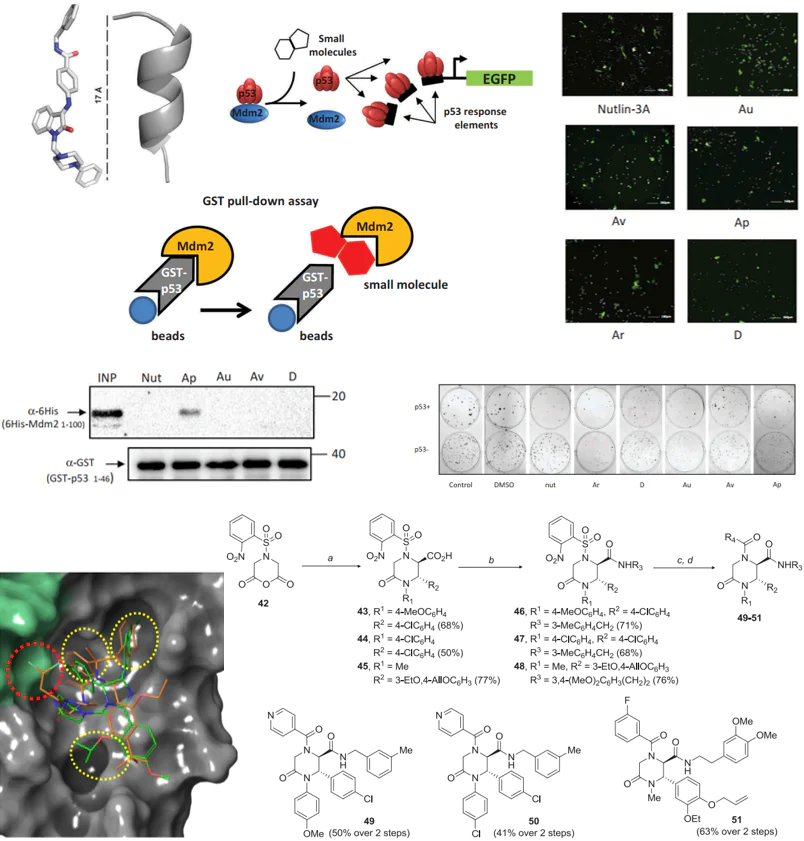
Разработка проапоптотических агентов – ингибиторов белок-белкового взаимодействия р53-MDM2
Разработка модуляторов АМФ-активируемой протеинкиназы – регулятора энергетического баланса
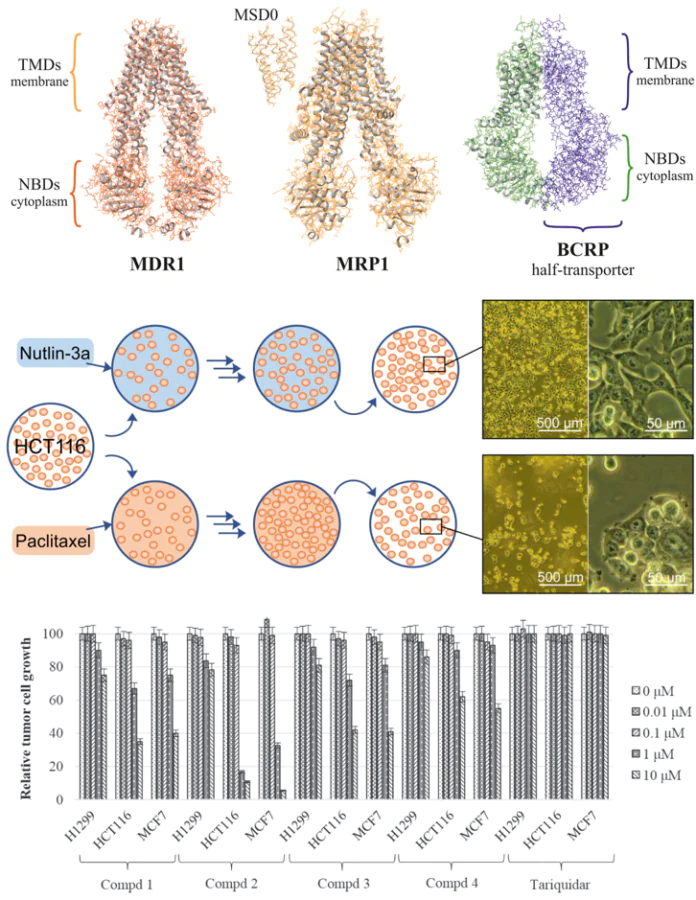
Разработка ингибиторов Р-гликопротеина для преодоления химиорезистентности опухолей
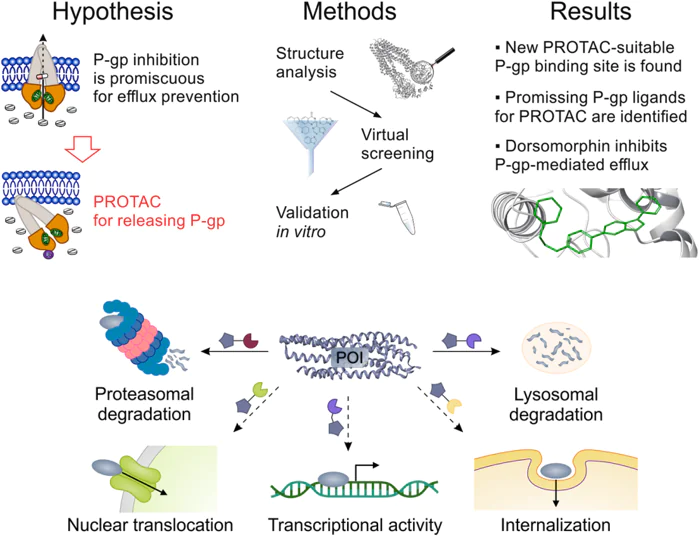
Разработка MDM2-рекрутирующих PROTAC
Публикации и патенты

Партнёры