
LMC Bio



Руководитель
Туник Сергей П
Публикаций
103
Цитирований
1 983
Индекс Хирша
27
Необходимо авторизоваться.
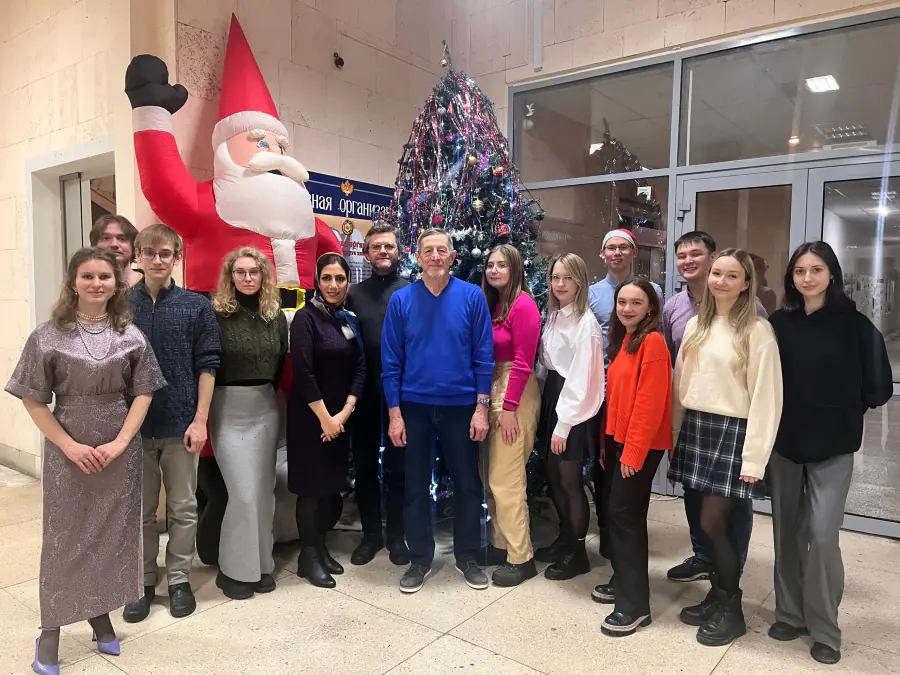
Исследовательская группа существует на базе Кафедры общей и неорганической химии Института химии Санкт-Петербургского Государственного Университета. Наша команда развивает направления, связанные с дизайном и разработкой направленных методов синтеза люминесцентных соединений с заданными свойствами для применения в качестве функциональных зондов (сенсоры, метки для люминесцентной микроскопии) в биологии и экспериментальной медицине.
- Рентгеноструктурный анализ
- УФ-спектроскопия
- Электронная микроскопия
- ЯМР-спектроскопия
- Люминесцентная спектроскопия
Сергей Туник
Руководитель
Юлия Шакирова
Доцент
Павел Челушкин
Доцент
Анастасия Соломатина
Старший преподаватель
Елизавета Дурова
Стажёр-исследователь
Роман Шилов
Стажёр-исследователь
Нина Жарская
Стажёр-исследователь
Светлана Мадиева
Стажёр-исследователь
Александр Павлов
Стажёр-исследователь
Арина Строева
Студент
Валерия Суслова
Студент
Всего публикаций
54
Всего цитирований
927
Цитирований на публикацию
17.17
Среднее число публикаций в год
5.4
Годы публикаций
2016-2025 (10 лет)
h-index
20
i10-index
34
m-index
2
o-index
34
g-index
27
w-index
4
Описание метрик
h-index
Учёный имеет индекс h, если h из его N статей цитируются как минимум h раз каждая, в то время как оставшиеся (N - h) статей цитируются не более чем h раз каждая.
i10-index
Число статей автора, получивших не менее 10 ссылок каждая.
m-index
m-индекс ученого численно равен отношению его h-индекса к количеству лет, прошедших с момента первой публикации.
o-index
Среднее геометрическое h-индекса и числа цитирований наиболее цитируемой статьи ученого.
g-index
Для данного множества статей, отсортированного в порядке убывания количества цитирований, которые получили эти статьи, g-индекс это наибольшее число, такое что g самых цитируемых статей получили (суммарно) не менее g2 цитирований.
w-index
Если w статей ученого имеют не менее 10w цитирований каждая и другие статьи меньше, чем 10(w+1) цитирований, то w-индекс исследователя равен w.
Топ-100
Области наук
Журналы
|
2
4
6
8
10
12
|
|
|
Inorganic Chemistry
12 публикаций, 22.22%
|
|
|
European Journal of Inorganic Chemistry
7 публикаций, 12.96%
|
|
|
Dalton Transactions
6 публикаций, 11.11%
|
|
|
RSC Advances
4 публикации, 7.41%
|
|
|
Bioconjugate Chemistry
3 публикации, 5.56%
|
|
|
Optical Materials
3 публикации, 5.56%
|
|
|
New Journal of Chemistry
2 публикации, 3.7%
|
|
|
Chemical Communications
2 публикации, 3.7%
|
|
|
International Journal of Molecular Sciences
2 публикации, 3.7%
|
|
|
Chemistry - A European Journal
2 публикации, 3.7%
|
|
|
Organometallics
1 публикация, 1.85%
|
|
|
Advanced Science
1 публикация, 1.85%
|
|
|
Advanced Functional Materials
1 публикация, 1.85%
|
|
|
Macromolecular Bioscience
1 публикация, 1.85%
|
|
|
Inorganic Chemistry Frontiers
1 публикация, 1.85%
|
|
|
ACS Omega
1 публикация, 1.85%
|
|
|
ChemPlusChem
1 публикация, 1.85%
|
|
|
Beilstein Journal of Organic Chemistry
1 публикация, 1.85%
|
|
|
ACS Applied Polymer Materials
1 публикация, 1.85%
|
|
|
ChemPhotoChem
1 публикация, 1.85%
|
|
|
Aggregate
1 публикация, 1.85%
|
|
|
2
4
6
8
10
12
|






Цитирующие журналы






Цитируемые журналы








Издатели
|
2
4
6
8
10
12
14
16
18
|
|
|
American Chemical Society (ACS)
18 публикаций, 33.33%
|
|
|
Wiley
15 публикаций, 27.78%
|
|
|
Royal Society of Chemistry (RSC)
15 публикаций, 27.78%
|
|
|
Elsevier
3 публикации, 5.56%
|
|
|
MDPI
2 публикации, 3.7%
|
|
|
Beilstein-Institut
1 публикация, 1.85%
|
|
|
2
4
6
8
10
12
14
16
18
|
Организации из публикаций





































Страны из публикаций
|
10
20
30
40
50
60
|
|
|
Россия
|
Россия, 54, 100%
Россия
54 публикации, 100%
|
|
Финляндия
|
Финляндия, 16, 29.63%
Финляндия
16 публикаций, 29.63%
|
|
Страна не определена
|
Страна не определена, 12, 22.22%
Страна не определена
12 публикаций, 22.22%
|
|
Китай
|
Китай, 9, 16.67%
Китай
9 публикаций, 16.67%
|
|
Германия
|
Германия, 5, 9.26%
Германия
5 публикаций, 9.26%
|
|
США
|
США, 5, 9.26%
США
5 публикаций, 9.26%
|
|
Иран
|
Иран, 3, 5.56%
Иран
3 публикации, 5.56%
|
|
Япония
|
Япония, 2, 3.7%
Япония
2 публикации, 3.7%
|
|
Франция
|
Франция, 1, 1.85%
Франция
1 публикация, 1.85%
|
|
Египет
|
Египет, 1, 1.85%
Египет
1 публикация, 1.85%
|
|
Испания
|
Испания, 1, 1.85%
Испания
1 публикация, 1.85%
|
|
Италия
|
Италия, 1, 1.85%
Италия
1 публикация, 1.85%
|
|
Литва
|
Литва, 1, 1.85%
Литва
1 публикация, 1.85%
|
|
Макао (САР)
|
Макао (САР), 1, 1.85%
Макао (САР)
1 публикация, 1.85%
|
|
10
20
30
40
50
60
|
Цитирующие организации





































































Цитирующие страны
- Мы не учитываем публикации, у которых нет DOI.
- Статистика пересчитывается раз в сутки.
Направления исследований
Биосовместимые фосфоресцентные люминофоры на основе блок-сополимеров поливинилпирролидона и комплексов Pt(II) и Au(III), демонстрирующие эффект AggregationInducedEmission
+
Проект направлен на разработку новых химических подходов к синтезу биосовместимых фосфоресцентных люминофоров на основе плоскоквадратных пинцерных и ортометаллированных комплексов Pt(II) и Au(III), в которых реализуется явление AggregationInducedEmission (AIE), позволяющее направленно модифицировать фотофизические характеристики исходных хромофоров.
Разгорание фосфоресценции металлорганических комплексов, вызванное агрегацией в блок-сополимерных мицеллах
+
Проект направлен на систематическое исследование эффекта разгорания (либо - усиления) фосфоресценции, вызванного агрегацией (эффект «aggregation-induced phosphorescence emission/enhancement», AIPE) на примере трёх серий фосфоресцентных металлорганических комплексов на основе платины(II), золота(III) и иридия(III), внедрённых в блок-сополимерные мицеллы структурного типа «ядро-оболочка» на основе амфифильных диблок-сополимеров с варьируемым гидрофобным блоком и гидрофильным блоком на основе полиэтиленгликоля. Главной отличительной особенностью проекта является реализация идеи пространственной локализации процесса AIPE в строго ограниченном объёме полимерных наночастиц, в качестве которых в проекте выбраны диблок-сополимерные мицеллы структурного типа «ядро-оболочка».
Новые металлорганические люминофоры: дизайн триплетных эмиттеров с регулируемыми фотофизическими характеристиками
+
Комплексы переходных металлов обладают огромным потенциалом использования в качестве люминесцентных материалов в современных технологиях, в частности в OLED-технологиях и функциональном биомиджинге, а разработка методов направленного синтеза новых фотоактивных материалов с регулируемыми свойствами в настоящее время является одним из самых перспективных направлений химической науки. Следует отметить, что фосфоресцентные металлорганические эмиттеры обладают рядом преимуществ в сравнении с традиционно используемыми органическими флуорофорами, что обусловлено триплетной природой эмиссионных переходов данного класса соединений, характеризующейся, в частности, большими значениями Стоксовских сдвигов эмиссии и микро- и миллисекундными интервалами времен жизни возбужденных состояний. Эти различия открывают новые возможности для практического применения этого класса соединений в технологиях использующих энергию светового излучения, а поиск новых триплетных эмиттеров, обладающих регулируемыми параметрами эмиссии, несомненно, является актуальной задачей, полностью соответствующей мировому уровню исследований.
Публикации и патенты
Найдено
Ничего не найдено, попробуйте изменить настройки фильтра.

2024
—
2026
| Туник Сергей Павлович
2024
—
2025
| Челушкин Павел Сергеевич
2019
—
2022
| Шакирова Юлия Равилевна
Адрес лаборатории
Университетский пр. 26, Санкт-Петербург
Необходимо авторизоваться.