
Группа моделирования протеинопатий Центр доклинических испытаний




Публикаций
47
Цитирований
255
Индекс Хирша
9
Необходимо авторизоваться.
- Исследования фармакологической активности на трансгенных моделях
- Методы флуоресцентной и конфокальной микроскопии
- Модели in vivo
- Молекулярно-генетические методы исследования
- Методы молекулярной биологии и биохимии
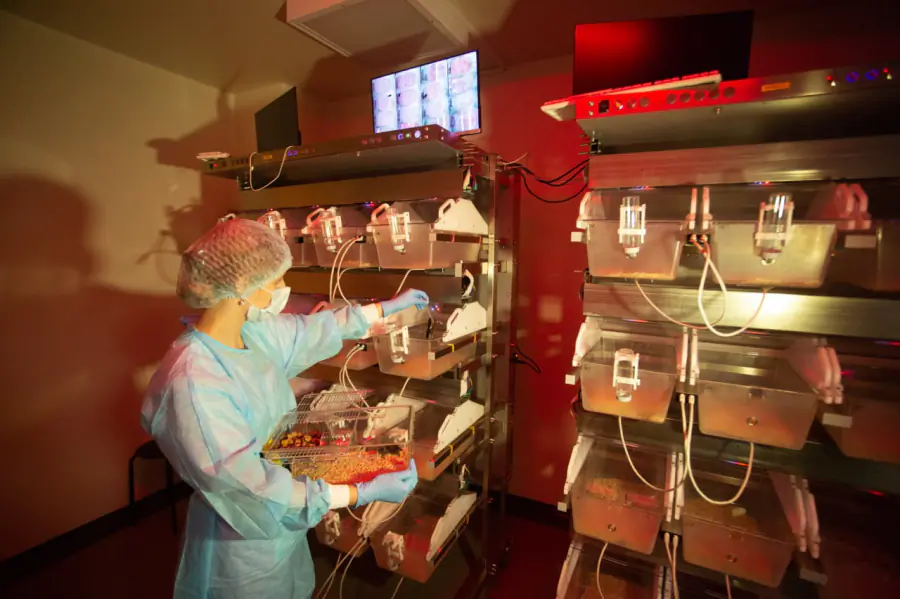
Поведенческие установки в виварии
Екатерина Правдивцева
Инженер
Анастасия Краюшкина
Младший научный сотрудник
Тимофей Бобков
Аспирант
Ольга Морозова
Лаборант-исследователь
Анастасия Хизева
Лаборант-исследователь
Всего публикаций
36
Всего цитирований
239
Цитирований на публикацию
6.64
Среднее число публикаций в год
5.14
Годы публикаций
2019-2025 (7 лет)
h-index
9
i10-index
7
m-index
1.29
o-index
16
g-index
13
w-index
2
Описание метрик
h-index
Учёный имеет индекс h, если h из его N статей цитируются как минимум h раз каждая, в то время как оставшиеся (N - h) статей цитируются не более чем h раз каждая.
i10-index
Число статей автора, получивших не менее 10 ссылок каждая.
m-index
m-индекс ученого численно равен отношению его h-индекса к количеству лет, прошедших с момента первой публикации.
o-index
Среднее геометрическое h-индекса и числа цитирований наиболее цитируемой статьи ученого.
g-index
Для данного множества статей, отсортированного в порядке убывания количества цитирований, которые получили эти статьи, g-индекс это наибольшее число, такое что g самых цитируемых статей получили (суммарно) не менее g2 цитирований.
w-index
Если w статей ученого имеют не менее 10w цитирований каждая и другие статьи меньше, чем 10(w+1) цитирований, то w-индекс исследователя равен w.
Топ-100
Области наук
Журналы
|
1
2
3
4
5
|
|
|
Biomedicines
5 публикаций, 13.89%
|
|
|
Molecules
3 публикации, 8.33%
|
|
|
International Journal of Molecular Sciences
3 публикации, 8.33%
|
|
|
Molekulyarnaya Biologiya
2 публикации, 5.56%
|
|
|
Molecular Biology
2 публикации, 5.56%
|
|
|
Transgenic Research
1 публикация, 2.78%
|
|
|
Doklady Biochemistry and Biophysics
1 публикация, 2.78%
|
|
|
Farmatsiya i Farmakologiya
1 публикация, 2.78%
|
|
|
Life Sciences in Space Research
1 публикация, 2.78%
|
|
|
Genes, Brain and Behavior
1 публикация, 2.78%
|
|
|
Neurochemical Research
1 публикация, 2.78%
|
|
|
Doklady Biological Sciences
1 публикация, 2.78%
|
|
|
Molecular Brain
1 публикация, 2.78%
|
|
|
Analytical Chemistry
1 публикация, 2.78%
|
|
|
Journal of Biological Chemistry
1 публикация, 2.78%
|
|
|
Neurobiology of Aging
1 публикация, 2.78%
|
|
|
CNS Neuroscience and Therapeutics
1 публикация, 2.78%
|
|
|
Nucleic Acids Research
1 публикация, 2.78%
|
|
|
Biomedicine and Pharmacotherapy
1 публикация, 2.78%
|
|
|
Progress in Biomedical Optics and Imaging - Proceedings of SPIE
1 публикация, 2.78%
|
|
|
Доклады Академии наук
1 публикация, 2.78%
|
|
|
Brain Behavior & Immunity - Health
1 публикация, 2.78%
|
|
|
Frontiers in Bioscience-Landmark
1 публикация, 2.78%
|
|
|
Nauchno-prakticheskii zhurnal «Patogenez»
1 публикация, 2.78%
|
|
|
Research Results in Biomedicine
1 публикация, 2.78%
|
|
|
OBM Neurobiology
1 публикация, 2.78%
|
|
|
1
2
3
4
5
|













Цитирующие журналы









Цитируемые журналы








Издатели
|
2
4
6
8
10
12
|
|
|
MDPI
11 публикаций, 30.56%
|
|
|
Elsevier
4 публикации, 11.11%
|
|
|
Pleiades Publishing
4 публикации, 11.11%
|
|
|
Springer Nature
3 публикации, 8.33%
|
|
|
The Russian Academy of Sciences
3 публикации, 8.33%
|
|
|
Wiley
2 публикации, 5.56%
|
|
|
IMR Press
1 публикация, 2.78%
|
|
|
Oxford University Press
1 публикация, 2.78%
|
|
|
American Chemical Society (ACS)
1 публикация, 2.78%
|
|
|
American Society for Biochemistry and Molecular Biology
1 публикация, 2.78%
|
|
|
SPIE-Intl Soc Optical Eng
1 публикация, 2.78%
|
|
|
Cifra Ltd - Russian Agency for Digital Standardization (RADS)
1 публикация, 2.78%
|
|
|
Volgograd State Medical University
1 публикация, 2.78%
|
|
|
LIDSEN Publishing Inc
1 публикация, 2.78%
|
|
|
Belgorod National Research University
1 публикация, 2.78%
|
|
|
2
4
6
8
10
12
|
Организации из публикаций






































Страны из публикаций
|
5
10
15
20
25
30
35
|
|
|
Россия
|
Россия, 33, 91.67%
Россия
33 публикации, 91.67%
|
|
Великобритания
|
Великобритания, 15, 41.67%
Великобритания
15 публикаций, 41.67%
|
|
Страна не определена
|
Страна не определена, 5, 13.89%
Страна не определена
5 публикаций, 13.89%
|
|
Германия
|
Германия, 2, 5.56%
Германия
2 публикации, 5.56%
|
|
Нидерланды
|
Нидерланды, 2, 5.56%
Нидерланды
2 публикации, 5.56%
|
|
Франция
|
Франция, 1, 2.78%
Франция
1 публикация, 2.78%
|
|
Казахстан
|
Казахстан, 1, 2.78%
Казахстан
1 публикация, 2.78%
|
|
Канада
|
Канада, 1, 2.78%
Канада
1 публикация, 2.78%
|
|
Япония
|
Япония, 1, 2.78%
Япония
1 публикация, 2.78%
|
|
5
10
15
20
25
30
35
|
Цитирующие организации

































































Цитирующие страны
- Мы не учитываем публикации, у которых нет DOI.
- Статистика пересчитывается раз в сутки.
Направления исследований
Биология белков семейства синуклеинов
+
Нормальная функция синуклеинов в синаптической передаче и в развитии дофаминергических нейронов среднего мозга. Белки в патологических процессах: цитотоксичность промежуточных продуктов агрегации альфа-синуклеина, токсическое усиление функции синуклеина в нейронах и его роль в болезни двигательных нейронов, возраст-зависимое истощение функциональных синуклеинов из синапсов нейронов и его вклад в нарушение нейротрансмиссии. Эти исследования проводятся на различных синуклеиновых нокаутных мышах и линиях мышей для условного нокаута гена, кодирующего альфа-синуклеин, с тамоксифен-индуцируемой пан-нейрональной инактивацией для изучения последствий взрослого и эмбрионального истощения альфа-синуклеина в нигростриатной системе.
Создание и поддержание in vivo моделей
+
Создание и поддержание in vivo моделей, воспроизводящих ключевые звенья патогенеза нейродегенеративных заболеваний человека, для которых характерно нарушение метаболизма и функции определенных белков, обладающих повышенной склонностью к агрегации. Использование моделей для воспроизводимого тестирования терапевтических подходов к лечению и профилактике нейродегенеративных протеинопатий
Взаимосвязь между метаболизмом РНК и патологической агрегацией РНК-связывающих белков при развитии БАС и связанных с ним заболеваний
+
В генах, кодирующих РНК-связывающие белки, было выявлено значительное количество мутаций, связанных с БАС. Более того, некоторые из этих белков обладают прионоподобными доменами, которые ответственны за их высокую склонность к агрегации. Как правило, патологические агрегаты, образованные этими белками, были обнаружены в нервной системе как при семейном, так и при спорадическом БАС и некоторых других нейродегенеративных заболеваниях. Чтобы прояснить это, в настоящее время мы используем различные клеточные и животные модели для изучения FUS, одного из РНК-связывающих белков, участвующих в патогенезе БАС и связанных с ним заболеваний.
Болезнь Альцгеймера и другие протеинопатии
+
Внутриклеточное и внеклеточное накопление фибриллярных белков, бета-амилоида и гиперфосфорилированного Тау-белка, у пациентов с болезнью Альцгеймера (БА) приводит к хроническому и прогрессирующему нейродегенеративному процессу. Чрезмерное накопление агрегатов приводит к синаптической дисфункции и неизбежной потере нейронов. Хотя точные молекулярные механизмы развития БА все еще требуют лучшего понимания, очевидно, что эта нейропатология является многофакторным заболеванием. Мы сосредоточились на разработке многоцелевых препаратов, действующих на несколько ключевых молекулярных путей, и предлагаем перспективную стратегию для доклинических испытаний на наших моделях трансгенных мышей 5xFAD, APPswe/PS1dE9, TauP301S.
Публикации и патенты
Найдено
Ничего не найдено, попробуйте изменить настройки фильтра.

2023
—
2024
| Чапров Кирилл Дмитриевич
2019
—
2021
| Бухман Владимир Львович
2018
—
2020
| Нинкина Наталья Николаевна
Партнёры






Адрес лаборатории
Северный проезд дом 1
Необходимо авторизоваться.