
Плазмохимические технологии




Публикаций
24
Цитирований
106
Индекс Хирша
7
Необходимо авторизоваться.
Деятельность лаборатории направлена на разработку технологий плазмохимической переработки углеводородного сырья и синтеза углеродных материалов.
- CHNS-элементный анализ
- Газовая хроматография
- ИК-спектроскопия
- Определение содержания серы методом энергодисперсионной рентгенофлуоресцентной спектрометрии
Всего публикаций
6
Всего цитирований
35
Цитирований на публикацию
5.83
Среднее число публикаций в год
1.2
Годы публикаций
2020-2024 (5 лет)
h-index
4
i10-index
1
m-index
0.8
o-index
7
g-index
5
w-index
1
Описание метрик
h-index
Учёный имеет индекс h, если h из его N статей цитируются как минимум h раз каждая, в то время как оставшиеся (N - h) статей цитируются не более чем h раз каждая.
i10-index
Число статей автора, получивших не менее 10 ссылок каждая.
m-index
m-индекс ученого численно равен отношению его h-индекса к количеству лет, прошедших с момента первой публикации.
o-index
Среднее геометрическое h-индекса и числа цитирований наиболее цитируемой статьи ученого.
g-index
Для данного множества статей, отсортированного в порядке убывания количества цитирований, которые получили эти статьи, g-индекс это наибольшее число, такое что g самых цитируемых статей получили (суммарно) не менее g2 цитирований.
w-index
Если w статей ученого имеют не менее 10w цитирований каждая и другие статьи меньше, чем 10(w+1) цитирований, то w-индекс исследователя равен w.
Топ-100
Области наук
|
1
2
|
|
|
Physical and Theoretical Chemistry
|
Physical and Theoretical Chemistry, 2, 33.33%
Physical and Theoretical Chemistry
2 публикации, 33.33%
|
|
General Chemistry
|
General Chemistry, 1, 16.67%
General Chemistry
1 публикация, 16.67%
|
|
General Chemical Engineering
|
General Chemical Engineering, 1, 16.67%
General Chemical Engineering
1 публикация, 16.67%
|
|
Condensed Matter Physics
|
Condensed Matter Physics, 1, 16.67%
Condensed Matter Physics
1 публикация, 16.67%
|
|
Polymers and Plastics
|
Polymers and Plastics, 1, 16.67%
Polymers and Plastics
1 публикация, 16.67%
|
|
Electrical and Electronic Engineering
|
Electrical and Electronic Engineering, 1, 16.67%
Electrical and Electronic Engineering
1 публикация, 16.67%
|
|
Energy Engineering and Power Technology
|
Energy Engineering and Power Technology, 1, 16.67%
Energy Engineering and Power Technology
1 публикация, 16.67%
|
|
Renewable Energy, Sustainability and the Environment
|
Renewable Energy, Sustainability and the Environment, 1, 16.67%
Renewable Energy, Sustainability and the Environment
1 публикация, 16.67%
|
|
Control and Optimization
|
Control and Optimization, 1, 16.67%
Control and Optimization
1 публикация, 16.67%
|
|
Engineering (miscellaneous)
|
Engineering (miscellaneous), 1, 16.67%
Engineering (miscellaneous)
1 публикация, 16.67%
|
|
Energy (miscellaneous)
|
Energy (miscellaneous), 1, 16.67%
Energy (miscellaneous)
1 публикация, 16.67%
|
|
1
2
|
Журналы
|
1
2
|
|
|
High Energy Chemistry
2 публикации, 33.33%
|
|
|
Plasma Processes and Polymers
2 публикации, 33.33%
|
|
|
RSC Advances
1 публикация, 16.67%
|
|
|
Energies
1 публикация, 16.67%
|
|
|
1
2
|




Цитирующие журналы
|
1
2
3
4
5
6
7
8
|
|
|
Energies
8 цитирований, 22.86%
|
|
|
Plasma Processes and Polymers
7 цитирований, 20%
|
|
|
High Energy Chemistry
4 цитирования, 11.43%
|
|
|
Химия высоких энергий
3 цитирования, 8.57%
|
|
|
Журнал не определён
|
Журнал не определён, 1, 2.86%
Журнал не определён
1 цитирование, 2.86%
|
|
Molecules
1 цитирование, 2.86%
|
|
|
RSC Advances
1 цитирование, 2.86%
|
|
|
IOP Conference Series: Earth and Environmental Science
1 цитирование, 2.86%
|
|
|
Journal of the Energy Institute
1 цитирование, 2.86%
|
|
|
Plasma Chemistry and Plasma Processing
1 цитирование, 2.86%
|
|
|
Journal of Experimental and Theoretical Physics
1 цитирование, 2.86%
|
|
|
Applied Sciences (Switzerland)
1 цитирование, 2.86%
|
|
|
Inorganic Materials: Applied Research
1 цитирование, 2.86%
|
|
|
AIP Conference Proceedings
1 цитирование, 2.86%
|
|
|
Arabian Journal for Science and Engineering
1 цитирование, 2.86%
|
|
|
Fuel
1 цитирование, 2.86%
|
|
|
Fire
1 цитирование, 2.86%
|
|
|
1
2
3
4
5
6
7
8
|




Цитируемые журналы











Издатели
|
1
2
|
|
|
Wiley
2 публикации, 33.33%
|
|
|
Pleiades Publishing
2 публикации, 33.33%
|
|
|
Royal Society of Chemistry (RSC)
1 публикация, 16.67%
|
|
|
MDPI
1 публикация, 16.67%
|
|
|
1
2
|
Организации из публикаций
|
1
2
3
4
5
6
|
|
|
Нижегородский государственный технический университет им. Р. Е. Алексеева
6 публикаций, 100%
|
|
|
Московский физико-технический институт
3 публикации, 50%
|
|
|
Курчатовский комплекс "Кристаллография и Фотоника"
3 публикации, 50%
|
|
|
Национальный исследовательский центр "Курчатовский институт"
3 публикации, 50%
|
|
|
Нижегородский государственный университет им. Н.И. Лобачевского
2 публикации, 33.33%
|
|
|
Институт кристаллографии имени А. В. Шубникова
2 публикации, 33.33%
|
|
|
Институт машиноведения им. А.А. Благонравова РАН
1 публикация, 16.67%
|
|
|
Институт кристаллографии
1 публикация, 16.67%
|
|
|
1
2
3
4
5
6
|








Страны из публикаций
|
1
2
3
4
5
6
|
|
|
Россия
|
Россия, 6, 100%
Россия
6 публикаций, 100%
|
|
1
2
3
4
5
6
|
Цитирующие организации
|
2
4
6
8
10
12
14
|
|
|
Нижегородский государственный технический университет им. Р. Е. Алексеева
13 цитирований, 37.14%
|
|
|
Курчатовский комплекс "Кристаллография и Фотоника"
5 цитирований, 14.29%
|
|
|
Московский физико-технический институт
4 цитирования, 11.43%
|
|
|
Национальный исследовательский центр "Курчатовский институт"
4 цитирования, 11.43%
|
|
|
Организация не определена
|
Организация не определена, 3, 8.57%
Организация не определена
3 цитирования, 8.57%
|
|
Нижегородский государственный университет им. Н.И. Лобачевского
2 цитирования, 5.71%
|
|
|
Институт кристаллографии имени А. В. Шубникова
2 цитирования, 5.71%
|
|
|
Даляньский морской университет
2 цитирования, 5.71%
|
|
|
Университет Шихэцзы
2 цитирования, 5.71%
|
|
|
Московский государственный университет имени М.В. Ломоносова
1 цитирование, 2.86%
|
|
|
Институт химии растворов им. Г.А. Крестова РАН
1 цитирование, 2.86%
|
|
|
Уральский федеральный университет имени первого Президента России Б.Н. Ельцина
1 цитирование, 2.86%
|
|
|
Казахский национальный университет имени аль-Фараби
1 цитирование, 2.86%
|
|
|
Казахстанско-Британский технический университет
1 цитирование, 2.86%
|
|
|
Saudi Aramco
1 цитирование, 2.86%
|
|
|
Гентский университет
1 цитирование, 2.86%
|
|
|
Технологический университет Малайзии
1 цитирование, 2.86%
|
|
|
Ливерпульский университет
1 цитирование, 2.86%
|
|
|
Антверпенский университет
1 цитирование, 2.86%
|
|
|
Институт кристаллографии
1 цитирование, 2.86%
|
|
|
Университет Западного Иллинойса
1 цитирование, 2.86%
|
|
|
Хаэнский университет
1 цитирование, 2.86%
|
|
|
Ясский технический университет имени Герге Асаки
1 цитирование, 2.86%
|
|
|
Университет Куэнки
1 цитирование, 2.86%
|
|
|
Университет Айдахо
1 цитирование, 2.86%
|
|
|
2
4
6
8
10
12
14
|

















Цитирующие страны
|
2
4
6
8
10
12
14
16
|
|
|
Россия
|
Россия, 15, 42.86%
Россия
15 цитирований, 42.86%
|
|
Китай
|
Китай, 2, 5.71%
Китай
2 цитирования, 5.71%
|
|
Страна не определена
|
Страна не определена, 1, 2.86%
Страна не определена
1 цитирование, 2.86%
|
|
Казахстан
|
Казахстан, 1, 2.86%
Казахстан
1 цитирование, 2.86%
|
|
Украина
|
Украина, 1, 2.86%
Украина
1 цитирование, 2.86%
|
|
США
|
США, 1, 2.86%
США
1 цитирование, 2.86%
|
|
Бельгия
|
Бельгия, 1, 2.86%
Бельгия
1 цитирование, 2.86%
|
|
Великобритания
|
Великобритания, 1, 2.86%
Великобритания
1 цитирование, 2.86%
|
|
Испания
|
Испания, 1, 2.86%
Испания
1 цитирование, 2.86%
|
|
Малайзия
|
Малайзия, 1, 2.86%
Малайзия
1 цитирование, 2.86%
|
|
Оман
|
Оман, 1, 2.86%
Оман
1 цитирование, 2.86%
|
|
Республика Корея
|
Республика Корея, 1, 2.86%
Республика Корея
1 цитирование, 2.86%
|
|
Румыния
|
Румыния, 1, 2.86%
Румыния
1 цитирование, 2.86%
|
|
Саудовская Аравия
|
Саудовская Аравия, 1, 2.86%
Саудовская Аравия
1 цитирование, 2.86%
|
|
Эквадор
|
Эквадор, 1, 2.86%
Эквадор
1 цитирование, 2.86%
|
|
2
4
6
8
10
12
14
16
|
- Мы не учитываем публикации, у которых нет DOI.
- Статистика пересчитывается раз в сутки.
Направления исследований
Технология глубокой переработки тяжелых нефтей и нефтепродуктов под действием электрических разрядов в жидкой фазе
+
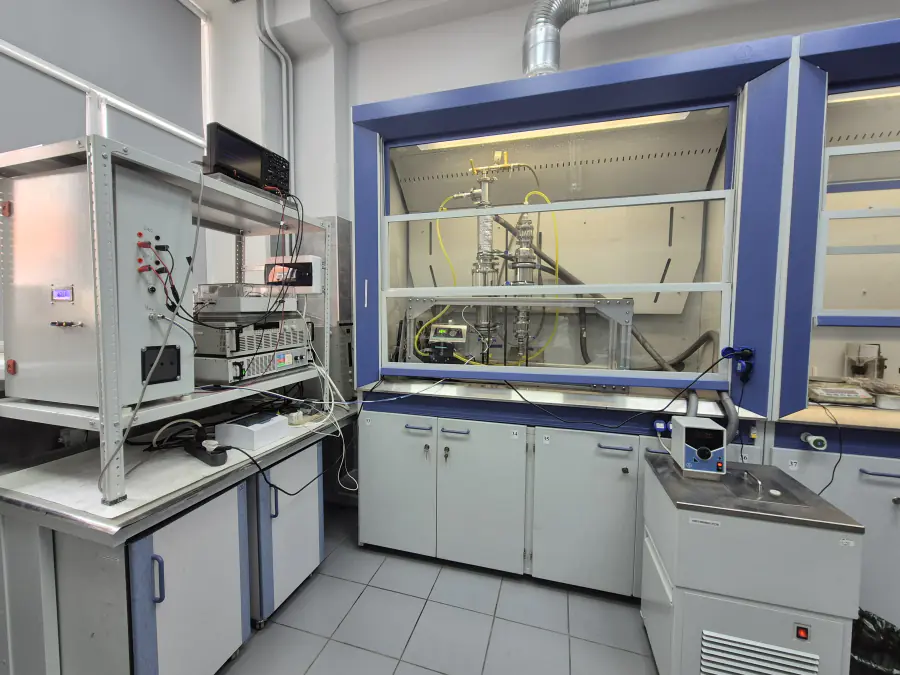
В рамках проекта РНФ №21-73-10119 (2021–2024 гг.) разработаны теоретические основы низкотемпературного плазмохимического пиролиза тяжелых нефтепродуктов, включая мазут, вакуумный газойль и остаток каталитического крекинга. Проведены теоретические расчёты и экспериментальные исследования, направленные на оптимизацию процесса плазмохимического пиролиза. Создана модульная лабораторная установка для проведения плазмохимического пиролиза. Установлены зависимости конверсии сырья, выхода газообразных и твёрдых продуктов от энергии электрических разрядов и времени воздействия. Предложен вероятный механизм низкотемпературного пиролиза, объясняющий основные стадии трансформации углеводородов в условиях плазмохимического воздействия. Полученные результаты подтверждают возможность эффективного получения газовых продуктов с высоким содержанием водорода и ацетилена, а также формирование наноразмерных твердых углеродных материалов с графитоподобным строением при значительном снижении энергозатрат. Результаты исследования обладают высокой экономической значимостью, так как позволяют разработать экологически чистые технологии переработки нефтяного сырья, минимизируя выбросы CO₂ и обеспечивая конкурентоспособные энергетические показатели на мировом уровне по сравнению с традиционными термическими методами переработки тяжелых нефтепродуктов. Результаты исследования обсуждены на отраслевых международных конференциях («Нефть и газ», «International scientific and practical symposium on materials science and technology», «Международный симпозиум по теоретической и прикладной плазмохимии» и другие), опубликованы в ведущих журналах Q1/Q2 (Energies, Plasma Process. Polym. и других) и зарегистрированы в виде РИД (базы данных № 2024622961 и № 2023621511, программа на ЭВМ № 2020611902).
Плазмохимический синтез функциональных углеродных наноструктур.
+
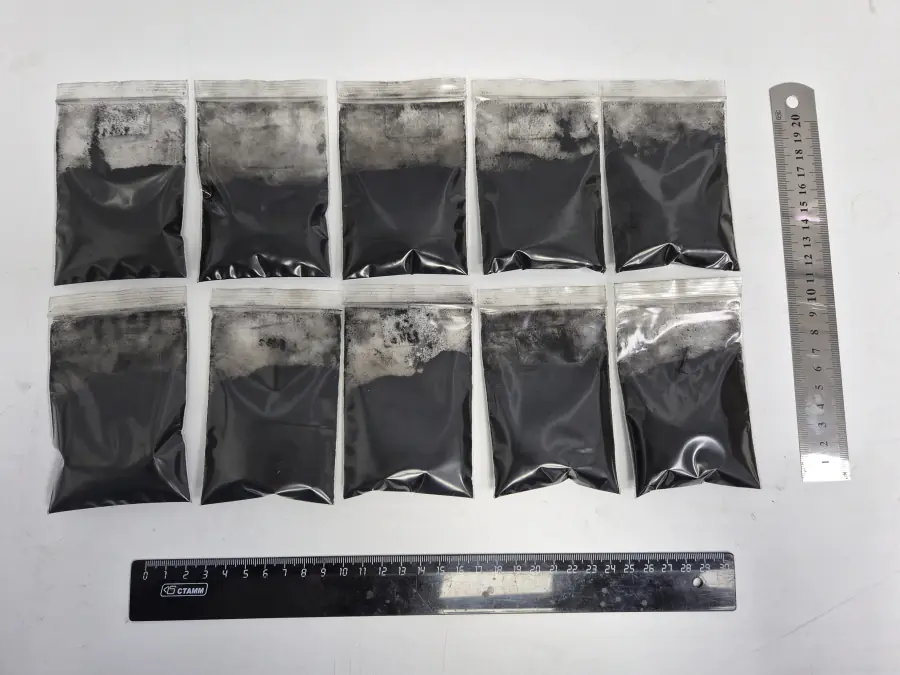
В рамках проведения НИР по программе ПИШ НГТУ реализована технология синтеза углеродных наноматериалов посредством воздействия нетермической плазмы на углеводородное сырьё в жидкой фазе с последующей термической обработкой. Выявлено, что значения удельной поверхности для полученных материалов отличаются в десятки и сотни раз: от 0,57 до 349,9 м2/г. Повышение температуры термической обработки приводит к снижению величины удельной поверхности образцов твёрдых остатков плазменного пиролиза для всех полученных материалов. Выявленные характеристики полученных углеродных материалов демонстрируют их возможное применение в качестве носителей катализаторов, компонентов катодов литий-ионных аккумуляторов и газодиффузионных слоёв топливных элементов. Использование низкотемпературной плазмы для конверсии жидких углеводородов в углеродные структуры создаёт возможность для разработки малогабаритных установок с высокой удельной производительностью и селективностью и позволяет создавать инновационные малотоннажные производства углеродных материалов для систем накопления энергии. Результаты исследования обсуждены на отраслевых международных конференциях (Графен и родственные структуры: синтез, производство и применение, «Углерод: фундаментальные проблемы науки, материаловедение, технология» и другие), опубликованы в ведущих журналах Q1/Q2 (RCS Advanced, Energies, Plasma Process. Polym. и других) и зарегистрированы в виде РИД (базы данных № 2021622673 и № 2020622794 и 2 НОУ-ХАУ).
Переработка хлорорганических отходов
+
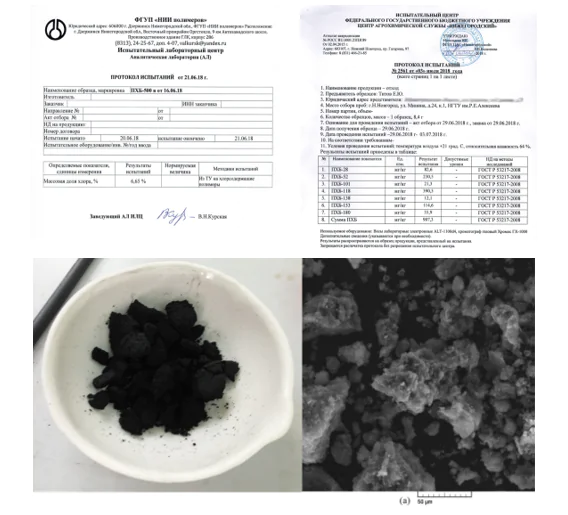
Разработана технология переработки жидких хлорорганических веществ, в том числе отходов 1 класса опасности (Патент № 2630006 от 22.08.2016г. Способ утилизации смеси хлорбензолов и полихлорбифенилов). Исследованы направления фрагментации полихлорированных бифенилов, хлорбензолов, хлорэтанов и хлорметанов, а также разработана установка для переработки отходов (СП-1179.2021.1 «Плазмохимическое стимулирование реакции элиминирования тетрахлорэтана», РФФИ № 18-29-24008 МК «Фундаментальные основы переработки хлорированных отходов в ликвидные продукты действием низковольтных импульсных разрядов в жидких средах»). Исследования показали, что воздействие низкотемпературной плазмы приводит к эффективному разрыву связи C–Cl с дальнейшем образованием как газообразных продуктов (хлороводород, ацетилен), так и твёрдых наноструктур, характер которых зависит от состава исходного материала и условий реакции. Особое внимание уделено влиянию допирующих компонентов (например, трифенилфосфина), которые существенно ускоряют процесс переработки, изменяют морфологию и элементный состав продуктов, способствуя формированию уникальных углеродных структур. Экологическая значимость технологии заключается в безопасной утилизации токсичных хлорорганических отходов с одновременным получением ценных материалов, что отвечает мировым тенденциям в области устойчивого развития, направленным на снижение экологической нагрузки и переход к ресурсосберегающим технологиям. Результаты исследования обсуждены на отраслевых международных конференциях («ТЕХНОГЕН», «Будущее технической науки» и другие), опубликованы в ведущих журналах WoS, Scopus и Q1/Q2 (Plasma Process. Polym., High Energy Chemistry и других) и зарегистрированы в виде РИД (Патент № 2630006, программа на ЭВМ № 2019614139 и № 2020664795).
Специальные лакокрасочные материалы и магнитореологические жидкости
+
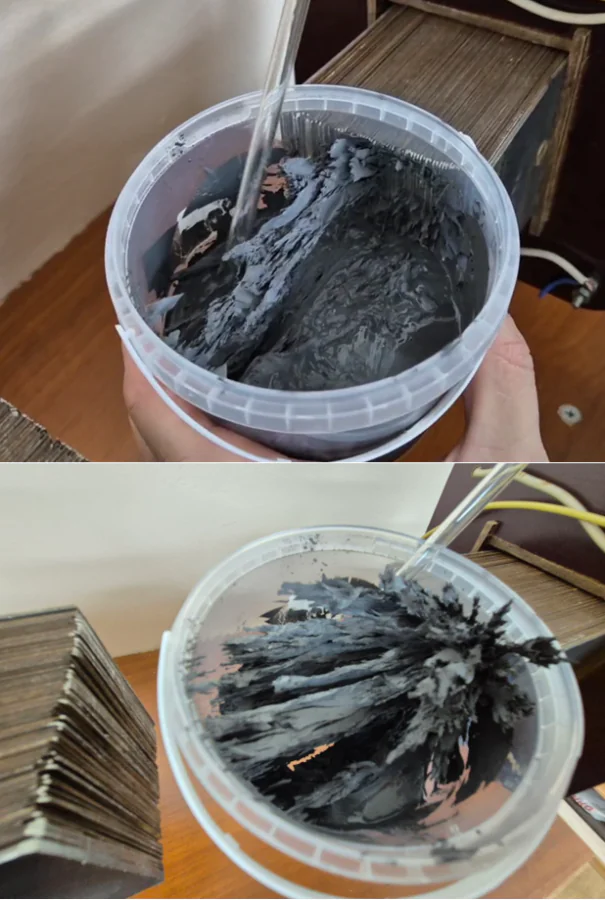
Разработан состав тиксотропной седиментационностойкой магнитореологической жидкости с высокой степенью наполнения магнитными частицами. Состав обеспечивает стабильную магнитореологическую активность и длительный срок службы при различных условиях эксплуатации за счёт оптимизации дисперсионной системы и поверхностной модификации частиц. Исследования проводились в рамках грантов РНФ №15-19-10026 «Обеспечение вибробезопасности окружающей среды посредством электромагнитного управления вибрацией машин и создания новых магнитореологических материалов» и № 20-19-00372 «Управляемые вибро- и шумозащитные системы многодвигательных энергонасыщенных объектов транспорта и комплексов обрабатывающей промышленности на основе новых магнитоуправляемых вязкоупругих материалов». Магнитореологические жидкости обладают способностью быстро изменять свои реологические свойства (вязкость, предел текучести) под воздействием внешнего магнитного поля, что позволяет использовать их для создания адаптивных систем управления динамическими нагрузками. Это делает их ключевым элементом в разработке активных демпферов и виброизоляционных систем, позволяющих снижать колебания и эффективно компенсировать вибрации в реальном времени. Благодаря этим свойствам магнитореологические жидкости находят применение в подвесках транспортных средств (автомобили, поезда, самолёты), промышленных системах контроля вибраций, адаптивных смазочных материалах, элементах управления и других областей. По результатам работ написана монография «Магнитореологические жидкости: технологии создания и применение», опубликованы статьи в журналах WoS и Scopus и зарегистрированы в виде РИД (программа на ЭВМ № 2019610435 и № 2019610286).
Окислительное обессеривание тяжелых нефтей и нефтепродуктов.
+
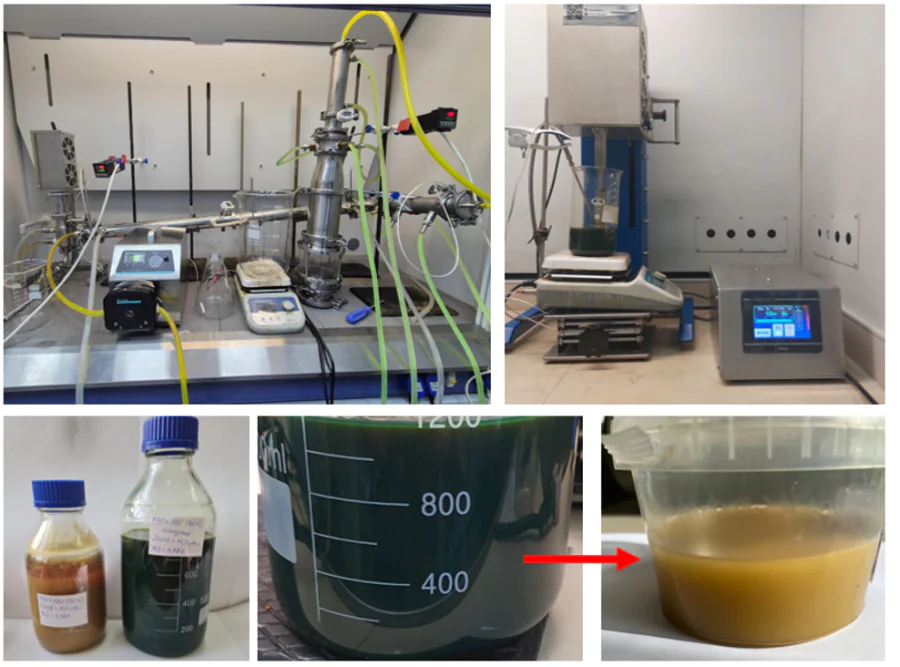
В рамках выполнения работ по Гранту правительства Нижегородской области для молодых ученых «Разработка технологии окислительного обессеривания бункерного топлива на наноразмерных углеродных катализаторах» и НИР с партнерfvb проведены научно-исследовательские работы по сероочистке высокосернистой нефти и нефтепродуктов. Исследован состав и характеристики высокосернистой нефти, определены основные сераорганические компоненты. разработаны технологические режимы очистки нефти от серосодержащих компонентов включая стадии приготовления раствора катализатора, окислительное обессеривание с использованием перемешивания в смесителе с лопастной мешалкой и при ультразвуковом диспергировании, отстаивания с разделением нефтепродукта и водного слоя, фильтрации, экстракции. Разработаны катализаторы и определено оптимальное соотношения катализатора и окислителя для наилучших технико-экономических характеристик процесса сероочистки. Результатом исследований является технология окислительной сероочистки, позволяющая снизить содержание серы в сырой нефти и нефтепродуктах (ВГО, дизельная фракция и другие) до уровня, соответствующего современным экологическим требованиям, что существенно улучшает качество топлива и снижает выбросы вредных веществ. Результаты исследования обсуждены на отраслевых международных конференциях («Новые каталитические процессы глубокой переработки углеводородного сырья и биомассы», «Нефть и газ» и другие) и зарегистрированы в виде РИД (База данных № 2023623485 и НОУ-ХАУ).
Публикации и патенты
Найдено
Ничего не найдено, попробуйте изменить настройки фильтра.

Иван Васильевич Бодриков, Александр Михайлович Кутьин, Евгений Юрьевич Титов, Дмитрий Юрьевич Титов, Рамис Рашитович Газизуллин, Виталий Юрьевич Хатьков, Сергей Александрович Поднебеснов
RU2630006C1,
2017
Адрес лаборатории
г. Нижний Новгород, ул. Минина, 24
Необходимо авторизоваться.