
Экспериментально-биологическая клиника



Публикаций
19
Цитирований
43
Индекс Хирша
4
Необходимо авторизоваться.
Организация учебного процесса для студентов специальностей "ветеринария" и "охотоведение, кинология и зоопарковое дело", проведение доклинических исследований безопасности и эффективности лекарственных препаратов
- Эксперимент
- Экспериментальные методы исследования
Екатерина Лукбанова
Руководитель
Всего публикаций
6
Всего цитирований
98
Цитирований на публикацию
16.33
Среднее число публикаций в год
2
Годы публикаций
2021-2023 (3 года)
h-index
5
i10-index
4
m-index
1.67
o-index
16
g-index
6
w-index
1
Описание метрик
h-index
Учёный имеет индекс h, если h из его N статей цитируются как минимум h раз каждая, в то время как оставшиеся (N - h) статей цитируются не более чем h раз каждая.
i10-index
Число статей автора, получивших не менее 10 ссылок каждая.
m-index
m-индекс ученого численно равен отношению его h-индекса к количеству лет, прошедших с момента первой публикации.
o-index
Среднее геометрическое h-индекса и числа цитирований наиболее цитируемой статьи ученого.
g-index
Для данного множества статей, отсортированного в порядке убывания количества цитирований, которые получили эти статьи, g-индекс это наибольшее число, такое что g самых цитируемых статей получили (суммарно) не менее g2 цитирований.
w-index
Если w статей ученого имеют не менее 10w цитирований каждая и другие статьи меньше, чем 10(w+1) цитирований, то w-индекс исследователя равен w.
Топ-100
Области наук
|
1
2
|
|
|
Molecular Biology
|
Molecular Biology, 2, 33.33%
Molecular Biology
2 публикации, 33.33%
|
|
Molecular Medicine
|
Molecular Medicine, 2, 33.33%
Molecular Medicine
2 публикации, 33.33%
|
|
Animal Science and Zoology
|
Animal Science and Zoology, 2, 33.33%
Animal Science and Zoology
2 публикации, 33.33%
|
|
General Veterinary
|
General Veterinary, 2, 33.33%
General Veterinary
2 публикации, 33.33%
|
|
Catalysis
|
Catalysis, 1, 16.67%
Catalysis
1 публикация, 16.67%
|
|
Organic Chemistry
|
Organic Chemistry, 1, 16.67%
Organic Chemistry
1 публикация, 16.67%
|
|
Inorganic Chemistry
|
Inorganic Chemistry, 1, 16.67%
Inorganic Chemistry
1 публикация, 16.67%
|
|
Physical and Theoretical Chemistry
|
Physical and Theoretical Chemistry, 1, 16.67%
Physical and Theoretical Chemistry
1 публикация, 16.67%
|
|
Computer Science Applications
|
Computer Science Applications, 1, 16.67%
Computer Science Applications
1 публикация, 16.67%
|
|
Spectroscopy
|
Spectroscopy, 1, 16.67%
Spectroscopy
1 публикация, 16.67%
|
|
General Medicine
|
General Medicine, 1, 16.67%
General Medicine
1 публикация, 16.67%
|
|
Microbiology
|
Microbiology, 1, 16.67%
Microbiology
1 публикация, 16.67%
|
|
1
2
|
Журналы
|
1
2
|
|
|
Animals
2 публикации, 33.33%
|
|
|
Probiotics and Antimicrobial Proteins
1 публикация, 16.67%
|
|
|
International Journal of Molecular Sciences
1 публикация, 16.67%
|
|
|
Bulletin of Siberian Medicine
1 публикация, 16.67%
|
|
|
VETERINARY PATHOLOGY
1 публикация, 16.67%
|
|
|
1
2
|




Цитирующие журналы















Цитируемые журналы
















Издатели
|
1
2
3
|
|
|
MDPI
3 публикации, 50%
|
|
|
Springer Nature
1 публикация, 16.67%
|
|
|
Siberian State Medical University
1 публикация, 16.67%
|
|
|
FSFEI HE Don State Technical University
1 публикация, 16.67%
|
|
|
1
2
3
|
Организации из публикаций
|
1
2
3
4
5
|
|
|
Донской государственный технический университет
5 публикаций, 83.33%
|
|
|
Первый Московский государственный медицинский университет имени И. М. Сеченова
4 публикации, 66.67%
|
|
|
Ратгерский университет
4 публикации, 66.67%
|
|
|
Научно-технологический университет «Сириус»
3 публикации, 50%
|
|
|
Южный федеральный университет
2 публикации, 33.33%
|
|
|
Маастрихтский университет
2 публикации, 33.33%
|
|
|
Российский государственный аграрный университет - МСХА имени К. А. Тимирязева
1 публикация, 16.67%
|
|
|
Ростовский государственный медицинский университет
1 публикация, 16.67%
|
|
|
Южный научный центр РАН
1 публикация, 16.67%
|
|
|
Аграрный университет Грузии
1 публикация, 16.67%
|
|
|
Университет Диялы
1 публикация, 16.67%
|
|
|
Федеральный университет Гояса
1 публикация, 16.67%
|
|
|
Университет Сан-Паулу
1 публикация, 16.67%
|
|
|
Новый Болгарский Университет
1 публикация, 16.67%
|
|
|
Софийский университет имени святого Климента Охридского
1 публикация, 16.67%
|
|
|
Политехнический институт Виана-ду-Каштелу
1 публикация, 16.67%
|
|
|
1
2
3
4
5
|
















Страны из публикаций
|
1
2
3
4
5
6
|
|
|
Россия
|
Россия, 6, 100%
Россия
6 публикаций, 100%
|
|
США
|
США, 4, 66.67%
США
4 публикации, 66.67%
|
|
Нидерланды
|
Нидерланды, 2, 33.33%
Нидерланды
2 публикации, 33.33%
|
|
Страна не определена
|
Страна не определена, 1, 16.67%
Страна не определена
1 публикация, 16.67%
|
|
Португалия
|
Португалия, 1, 16.67%
Португалия
1 публикация, 16.67%
|
|
Болгария
|
Болгария, 1, 16.67%
Болгария
1 публикация, 16.67%
|
|
Бразилия
|
Бразилия, 1, 16.67%
Бразилия
1 публикация, 16.67%
|
|
Грузия
|
Грузия, 1, 16.67%
Грузия
1 публикация, 16.67%
|
|
Ирак
|
Ирак, 1, 16.67%
Ирак
1 публикация, 16.67%
|
|
1
2
3
4
5
6
|
Цитирующие организации















































































Цитирующие страны
- Мы не учитываем публикации, у которых нет DOI.
- Статистика пересчитывается раз в сутки.
Направления исследований
Экспериментально-биологическая клиника
+
В структуру подразделения входит 3 сектора: «Центр реабилитации диких животных», «Зооуголок» и «Сектор содержания и воспроизводства лабораторных и кормовых животных». В подразделении работают Лукбанова Екатерина Алексеевна, заведующая, зоолог, ветеринарный врач, кандидат биологических наук, Синицкая Анна Габровна, зоотехник, имеющий опыт работы в зоопарках более 40 лет, 2 ветеринарных врача, 1 лаборант, 2 ветеринарных санитара. Многие студенты, обучающиеся на факультете «БиоВетМед», в свободное время с удовольствием принимают участие в организации различных мероприятий и выполнении рутинной работы в качестве волонтеров.
Основной задачей сектора «Центр реабилитации диких животных» является спасение, реабилитация и временное содержание диких животных с последующим выпуском на волю. В 2023 году подразделение провело реабилитацию 656 летучих мышей (567 рыжих вечерниц, 145 нетопырей Куля, 23 двухцветных кожанов и 15 поздних кожанов), 1 домового сыча, 1 ушастой совы, 1 обыкновенного перепела и 12 стрижей. В 2024 году в «Центре реабилитации диких животных» на реабилитации находятся 230 летучих мышей (150 рыжих вечерниц, 23 нетопыря Куля, 14 двухцветных кожана и 13 поздних кожанов) и 1 слеток домового сыча, поступивший с открытым переломом плечевой кости и находящийся на лечении после операции. Выпуск летучих мышей в 2024 году производится с середины апреля в несколько этапов. Помимо собственно реабилитации диких животных важной задачей сектора является просветительская деятельность. Сотрудники проводят экскурсии для школьников и гостей ДГТУ, а также участвуют в фестивалях и конференциях. Мы успешно реализовали проект, поддержанный РФФИ «Коронавирусы синантропной фауны юга России и риск межвидового переноса коронавирусной инфекции» (номер 20-04-60263, срок реализации – 2020-2022). В настоящее время нами проводятся исследования микробиоты рыжих вечерниц в рамках проекта РНФ «Особенности иммунной системы и кишечной микробиоты синантропных рукокрылых как основа прогнозирования новых инфекций» (проект номер 23-14-00316, срок реализации – 2023-2025). Исследования с участием летучих мышей, проводимые с 2020 года по настоящее время прошли экспертизу Локального независимого этического комитета ФГБОУ ВО «ДГТУ» и не предполагали изъятие из дикой природы и эвтаназию.
На базе сектора «Зооуголок» содержатся экзотические виды животных, такие как улитки ахатины, тиломелании, маризы, мокрицы, рак речной, креветки амано, аннамские палочники, мадагаскарские тараканы, пауки-птицееды, рыбы меттинисы и кометы, лягушка рогатка, шпорцевые и карликовые лягушки, геккон фельзума, бананоед, маисовый полоз, среднеазиатская черепаха, канарейки, попугаи волнистые, зебровые амадины, обыкновенная перепелка, шиншиллы, обыкновенная белка. В «Зооуголке» проводятся тематические экскурсии для школьников, студентов и гостей ДГТУ. Важнейшей задачей сектора является организация образовательного процесса для студентов специальностей «Ветеринария» и «Зоотехния». Обучающиеся факультета «БиоВетМед» на базе «Зооуголка» проходят производственную и научную практику, осваивают техники фиксации животных, проведение элементарных плановых ветеринарных мероприятий, изучают правила содержания и кормления различных экзотических животных.
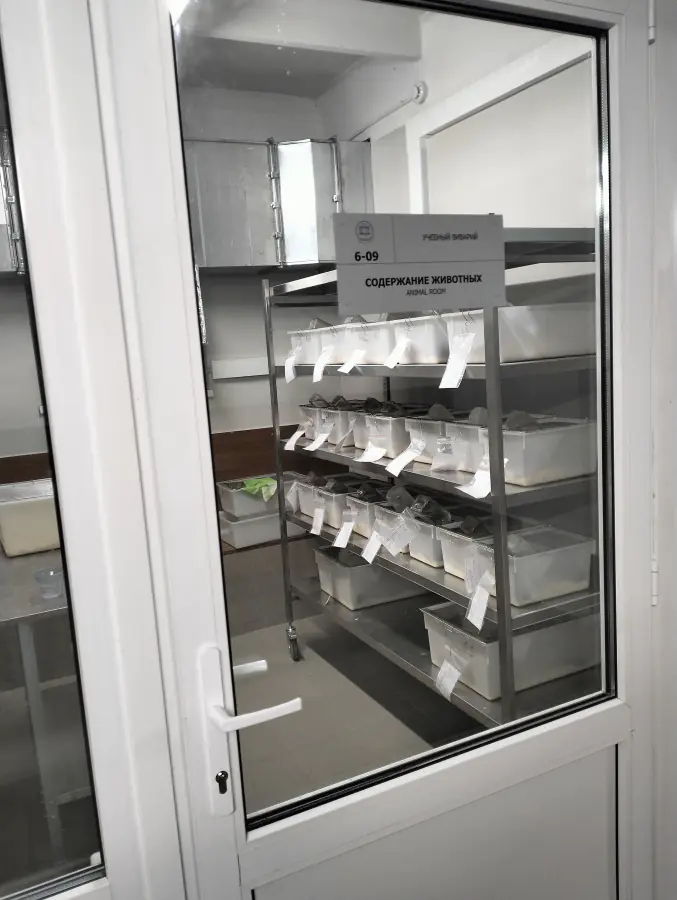
В «Секторе содержания и воспроизводства лабораторных и кормовых животных» содержатся мыши, крысы, морские свинки, кролики, а также кормовые насекомые (мучной хрущак, зофобас, черная львинка, туркменский и мраморный тараканы, домовой и банановый сверчок). На базе данного сектора студенты и аспиранты проходят практическую подготовку по техникам фиксации животных и введения лекарственных препаратов, выполняют выпускные квалификационные и диссертационные работы. Также в данном подразделении проводятся исследовательские работы фундаментального и прикладного характера. Все исследования с участием лабораторных животных проводятся строго после одобрения планов НИР Локальным независимым этическим комитетом ФГБОУ ВО «ДГТУ», руководствующимся в своей деятельности положениями Всемирной декларации прав животных, Европейской конвенции по защите экспериментальных животных и Федерального закона «Об ответственном обращении с животными и о внесении изменений в отдельные законодательные акты Российской Федерации» от 27.12.2018 N 498-ФЗ.
Публикации и патенты
Найдено
Ничего не найдено, попробуйте изменить настройки фильтра.

2023
—
2025
| Ермаков Алексей Михайлович
Адрес лаборатории
пл. Гагарина, 1, корп. 6, Ростов-на-Дону
Необходимо авторизоваться.